
When nitrogen is applied can be as important as how much is applied. A Southern Illinois University study in Belleville compared three programs using the same total rate of 150 pounds of nitrogen.
Three timing strategies
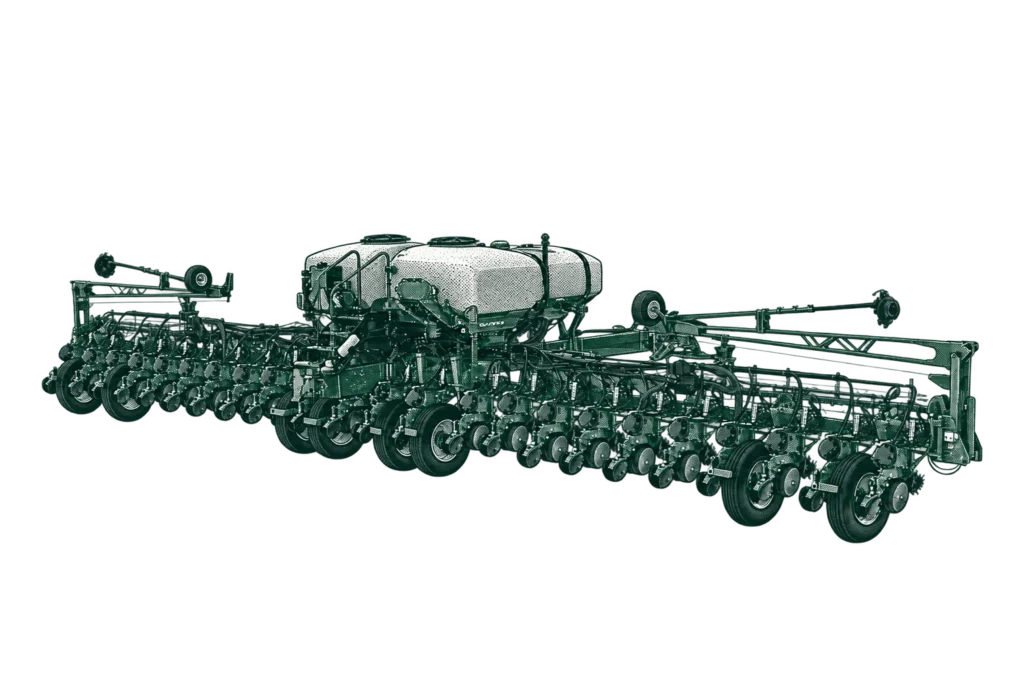
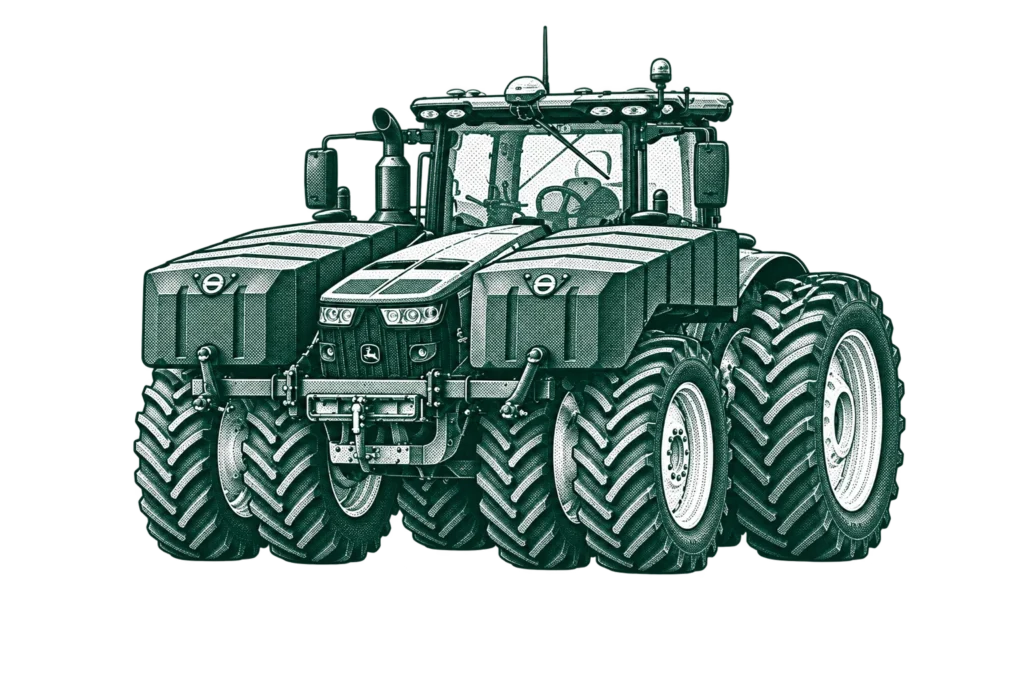
The replicated trial included corn after corn and corn after soybeans. Treatments were 150 pounds of preplant urea, 75 pounds preplant plus 75 pounds sidedress UAN, and all 150 pounds of UAN delivered through two sidedress applications.
Yield result: Preplant-only nitrogen averaged 190 bushels per acre. The preplant-plus-sidedress treatment averaged 194, while the two in-season sidedress applications averaged 200—10 bushels above the preplant-only treatment.
Nitrogen timing comparison
Matching availability with crop demand
Splitting nitrogen can reduce the amount exposed to early-season loss and keep more flexibility for the growing season. Later applications also allow the rate to be adjusted after stand and yield potential become clearer.
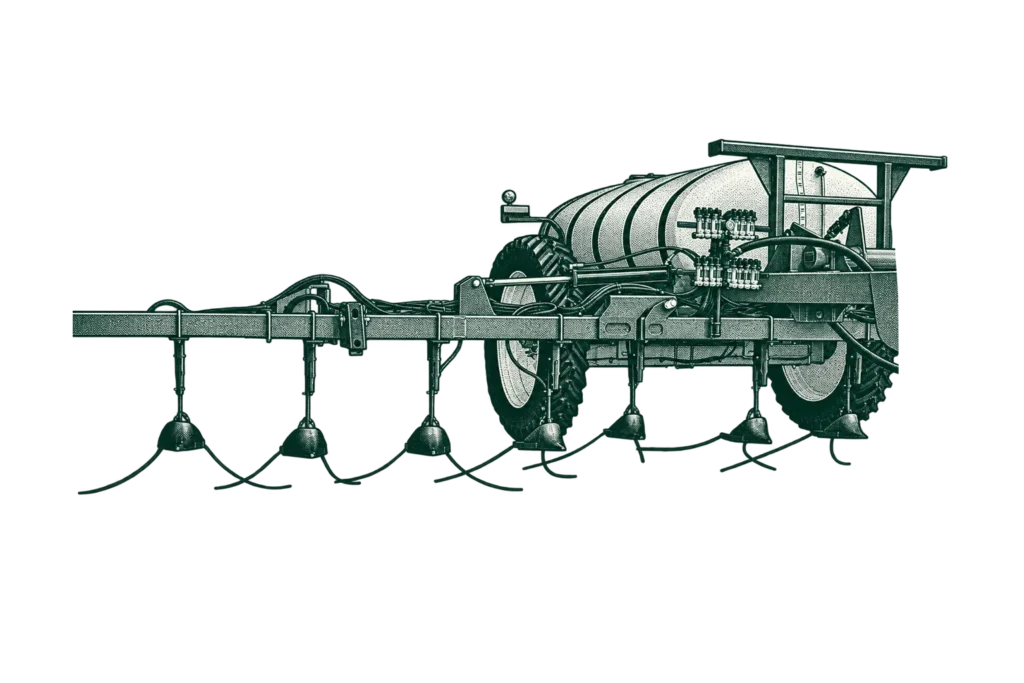
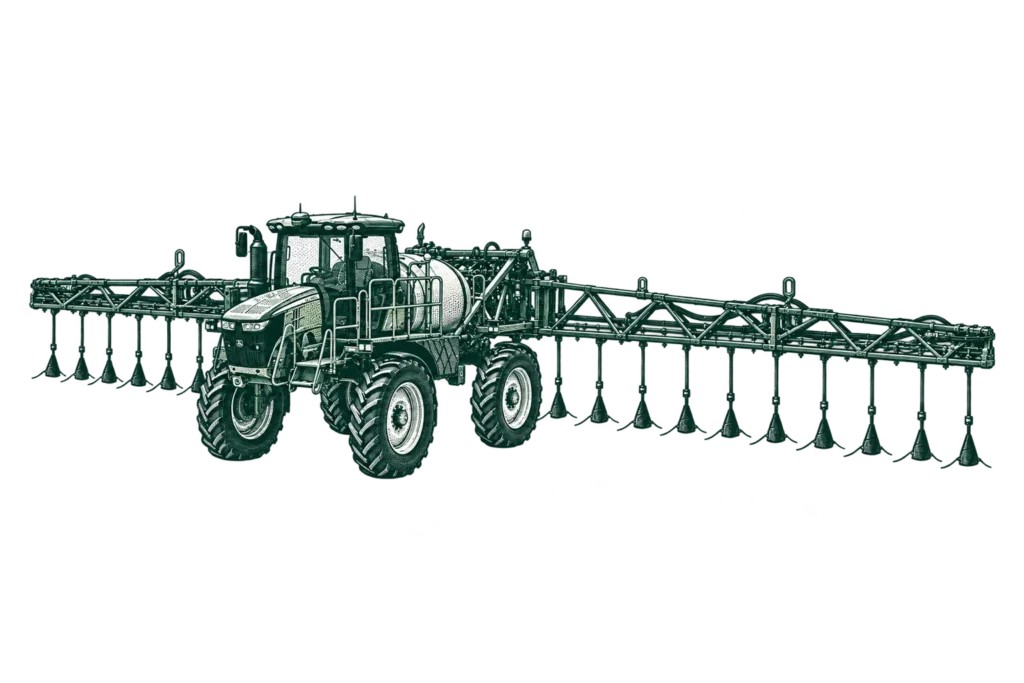
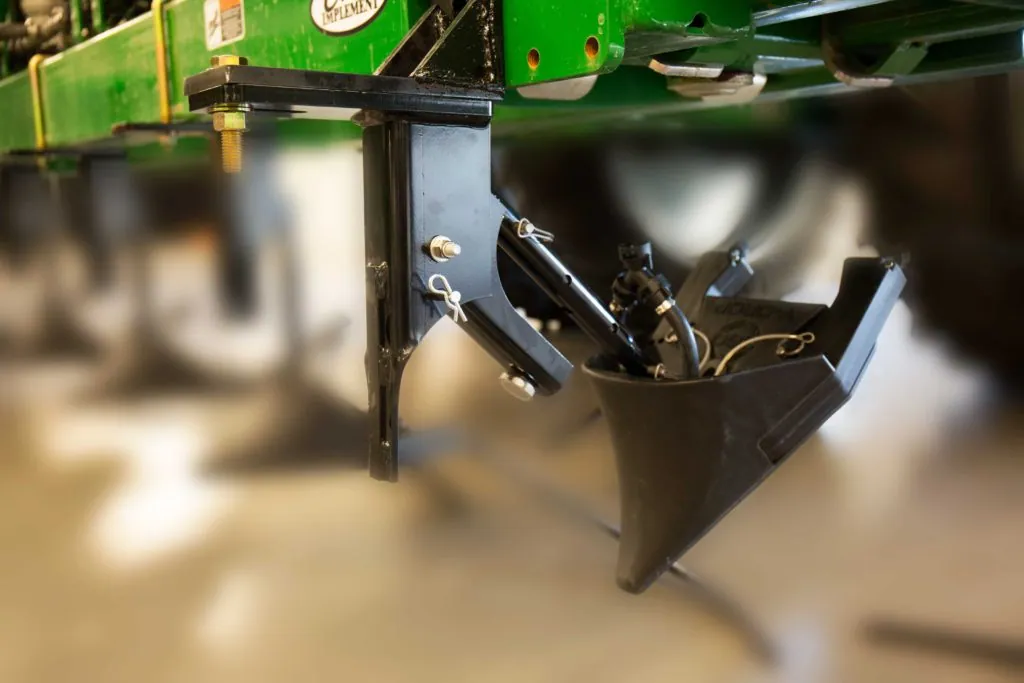
Tools such as 360 Y-DROP are designed to place liquid nitrogen near the base of the plant during the in-season application window.
This study tested timing strategies, not a universal prescription. Weather, soil type, previous crop and nitrogen source can change the outcome. Farmers should use local agronomic guidance when building a split-application program.