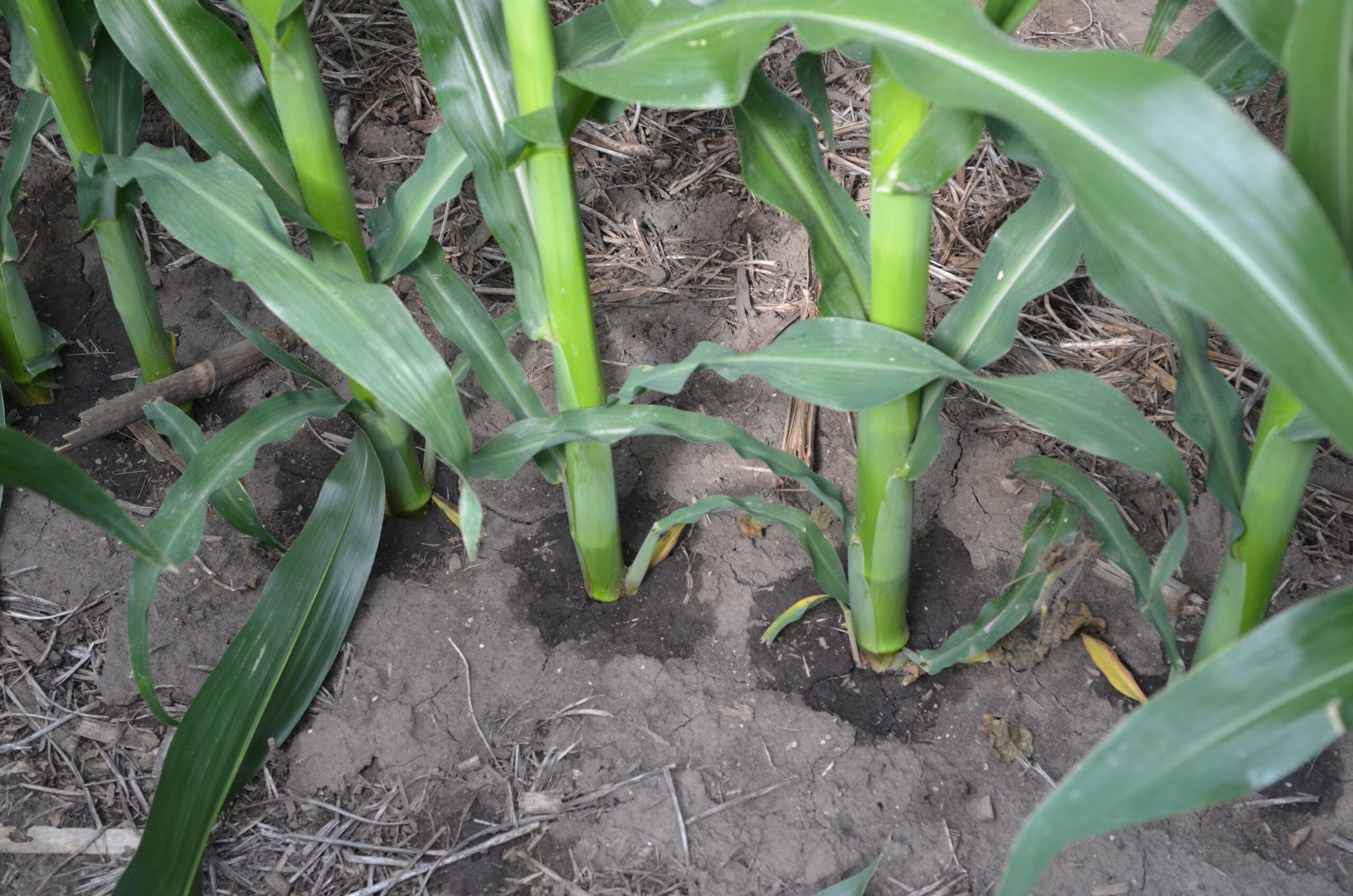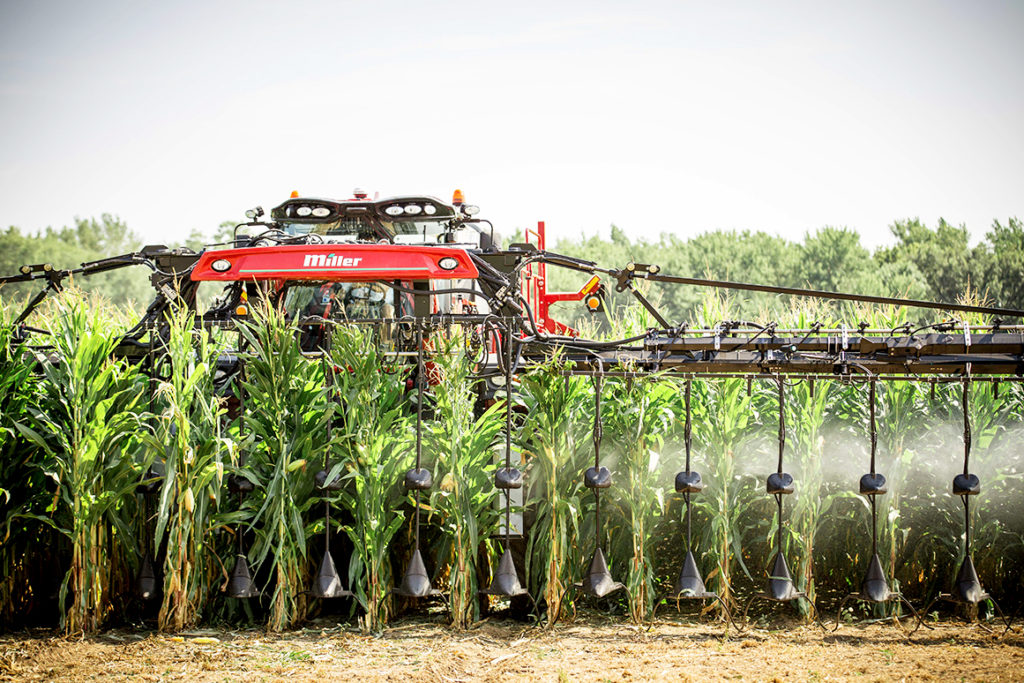
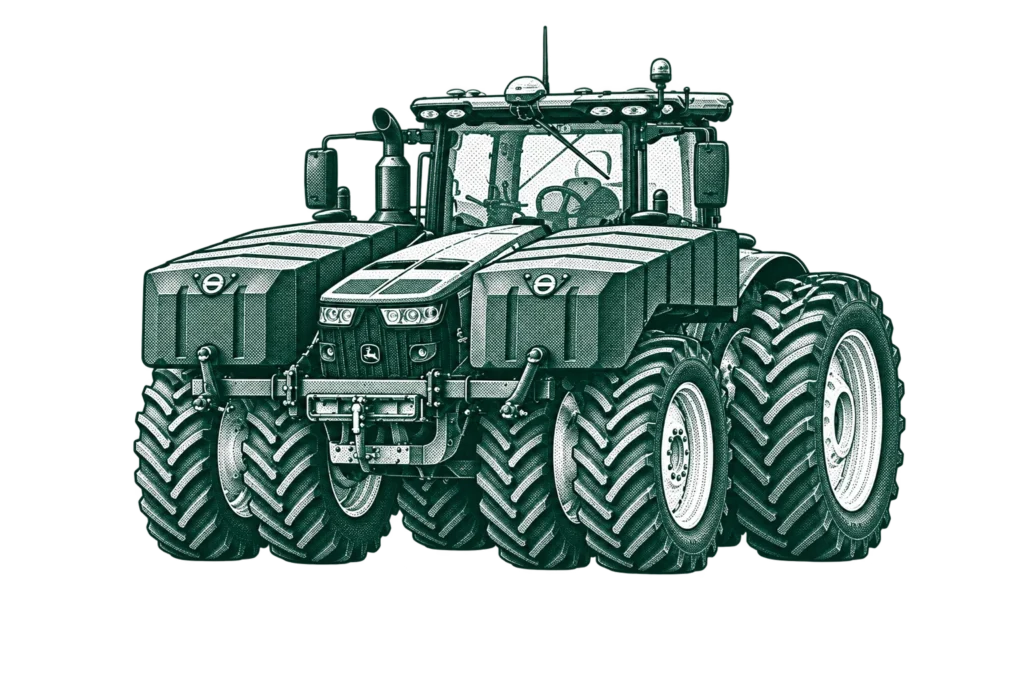


It is true that we normally do not like to have UAN sitting on top of warm soils. However, because 360 Y-DROP applies liquid nitrogen at the base of the plant, under the shade of the crop canopy, and stem water quickly moves the nitrogen below the soil surface, we generally do not recommend using a stabilizer. In young corn that has not canopied, and when no rain is in the forecast, a stabilizer may be used.
360
Y-DROP™
Increase the efficiency of your nitrogen.
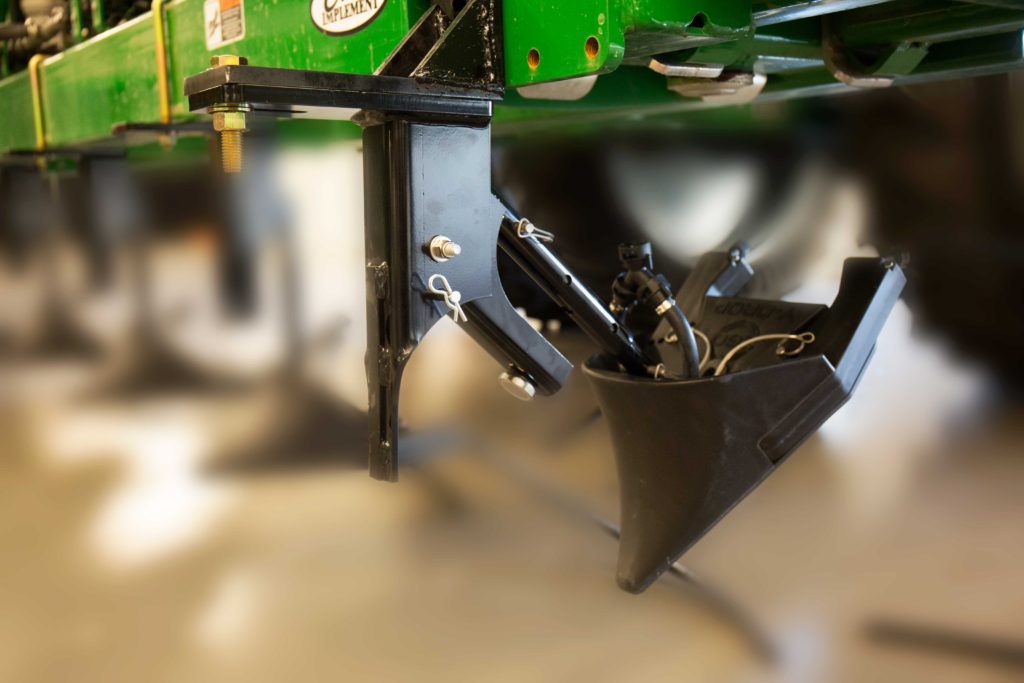
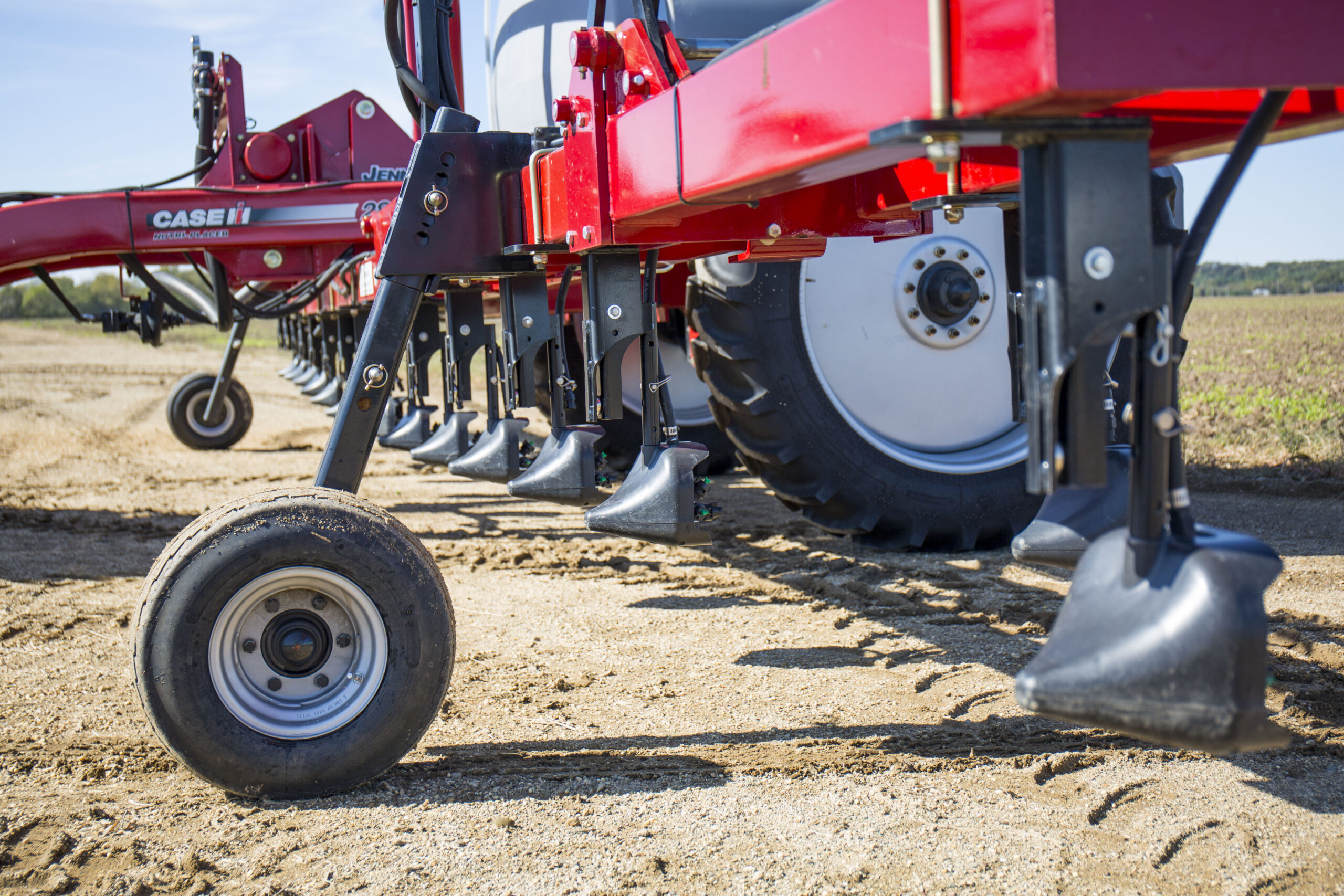
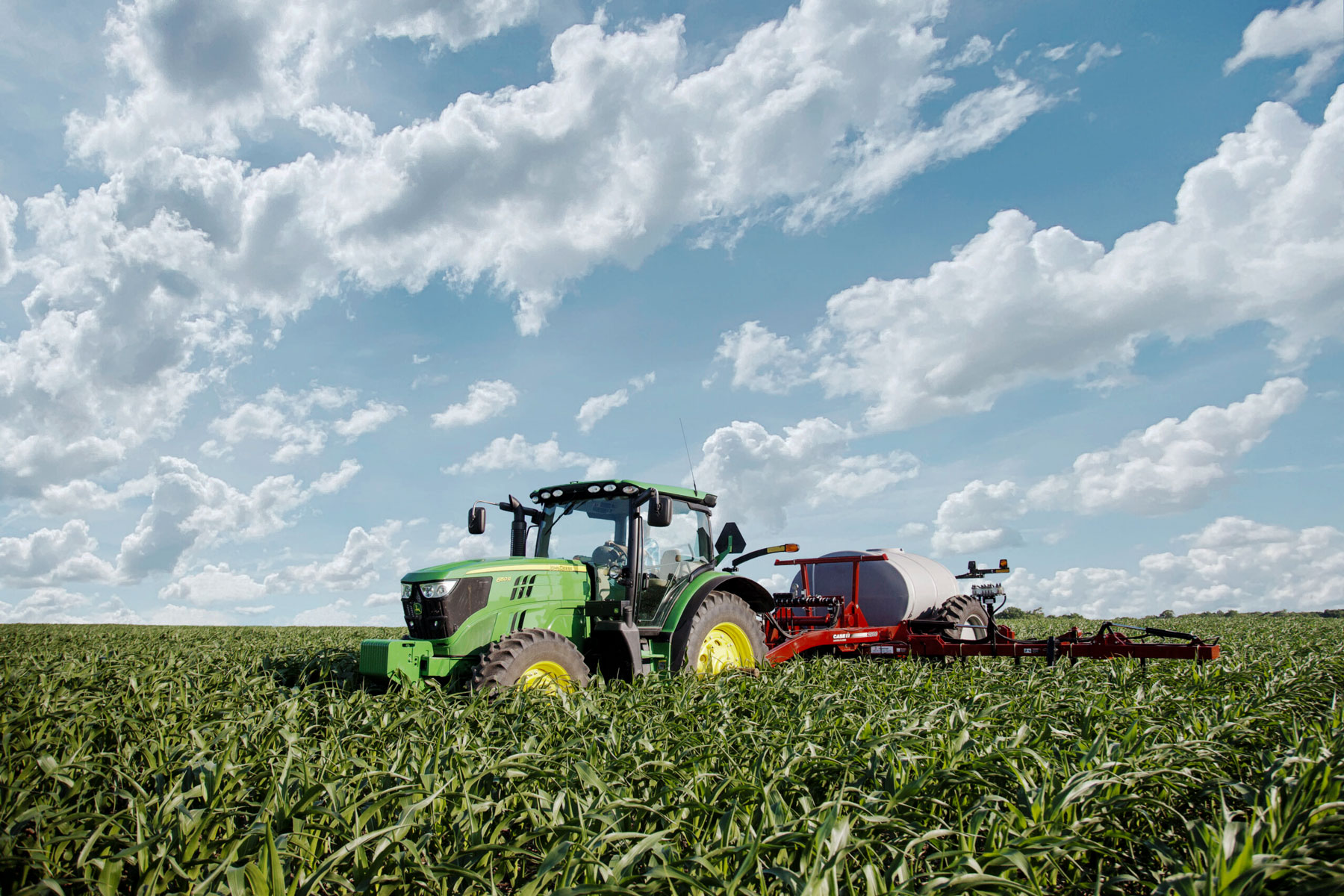
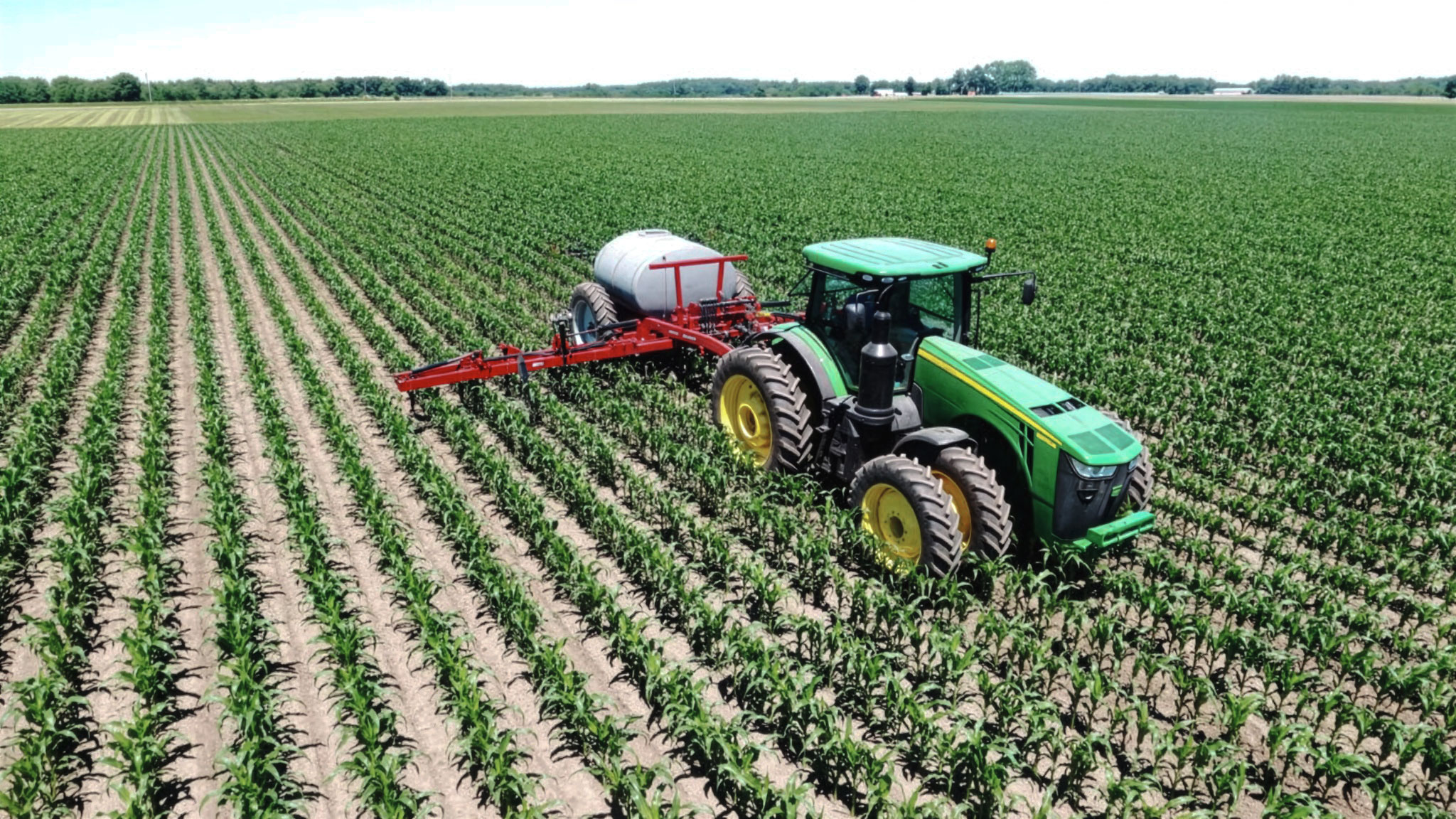
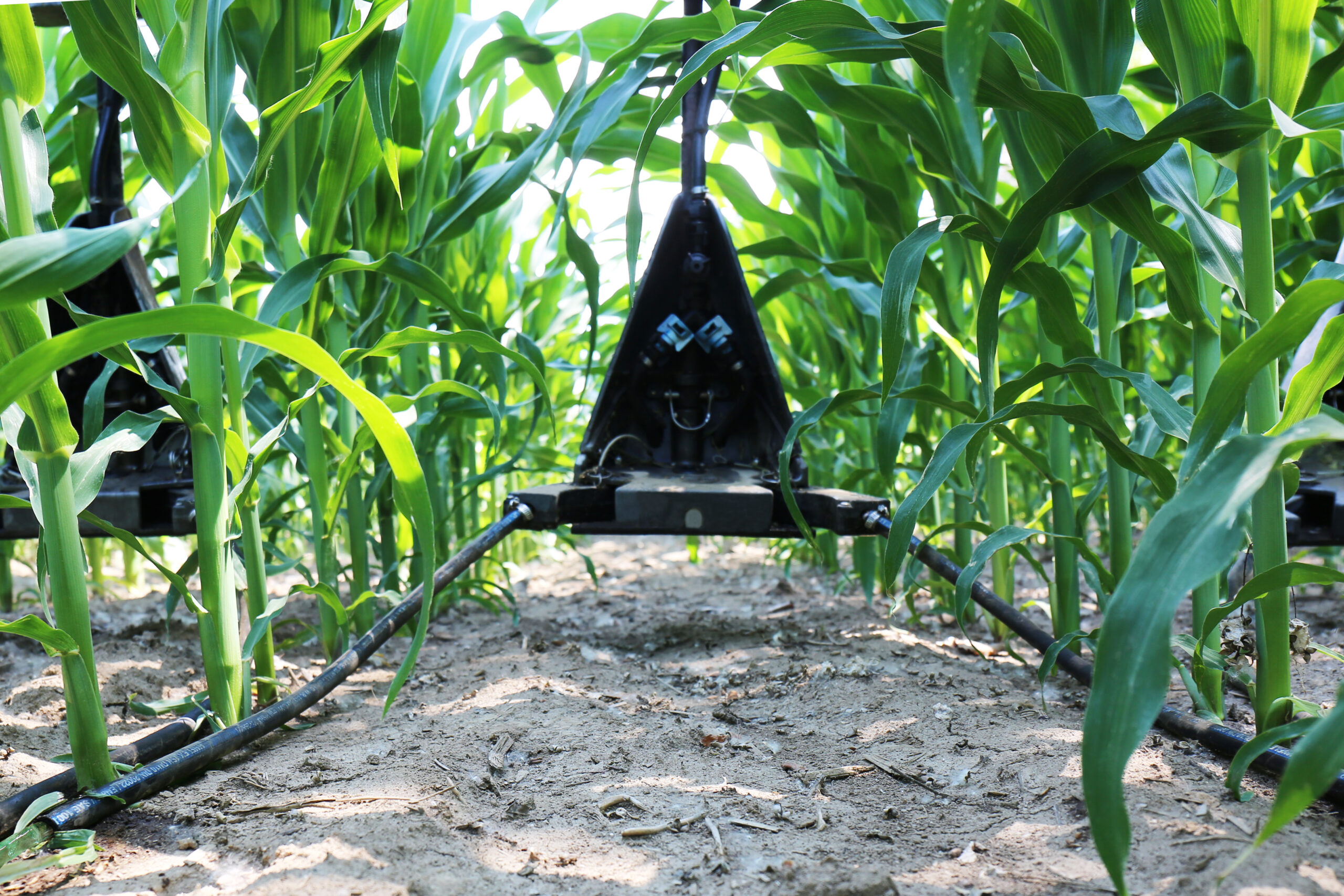
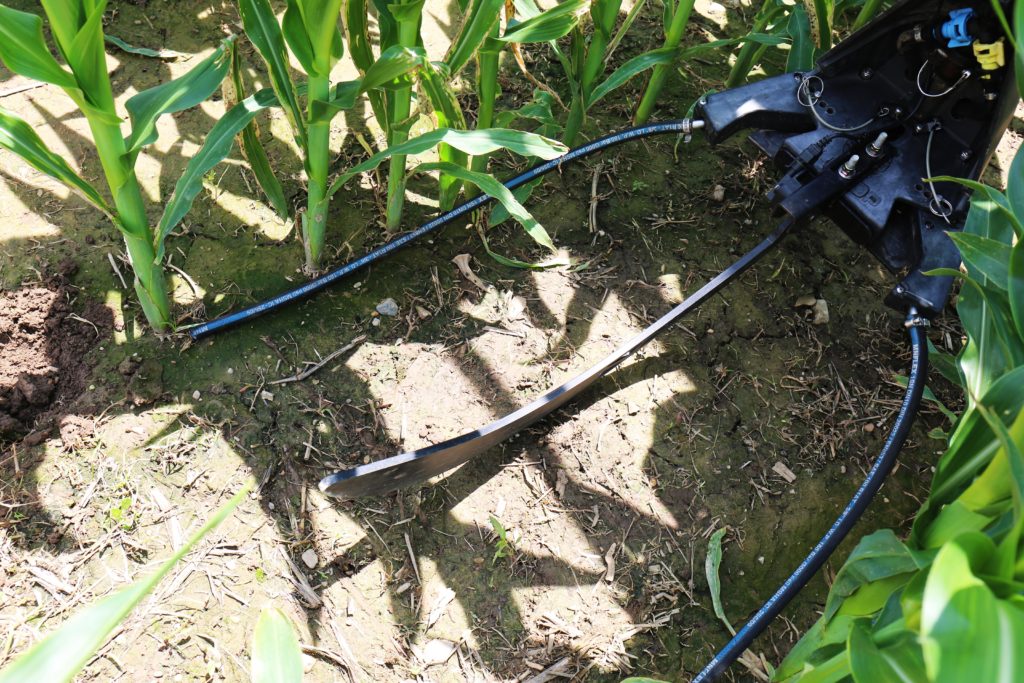
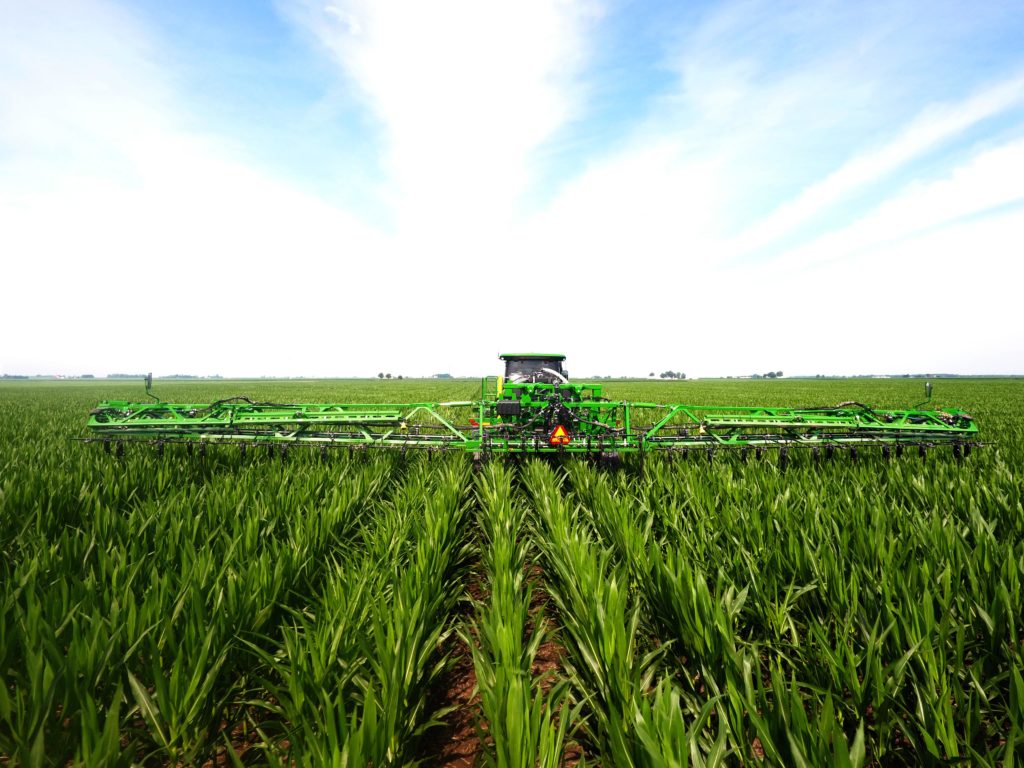
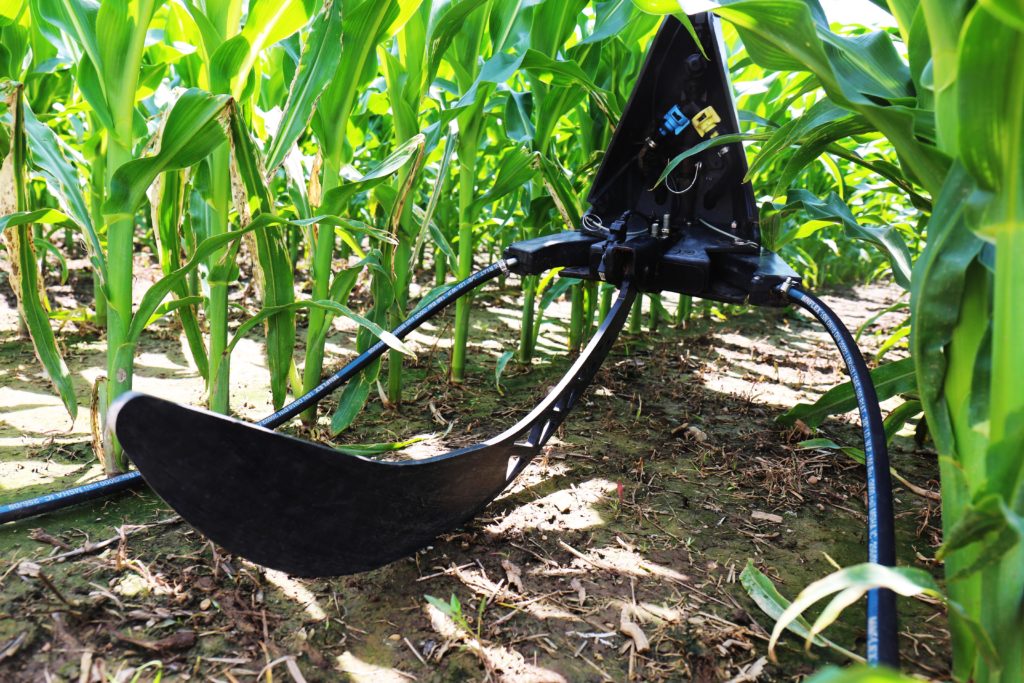
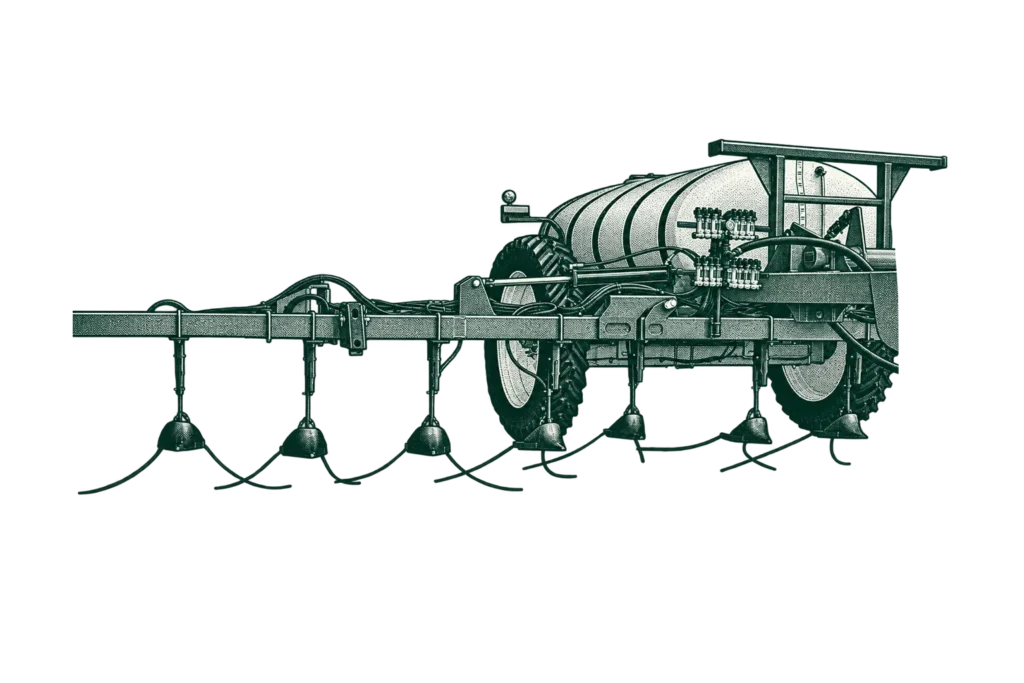
360 Y-DROP is a toolbar or sprayer-mounted nutrient placement system that delivers liquid nitrogen at the base of the plant—on both sides of the row. Its flexible application window lets you wait longer, assess crop needs and make a more informed nitrogen application.

PLACE IT IN THE ROOT ZONE
Deliver nitrogen just inches from the stalk bae, right over the root zone where a light rainfall or heavy dew can move that nitrogen into the soil from rapid uptake.
APPLY IT EVENLY
Two orifices provide even distribution to each row and variable rate nozzles are available for precise rate control.
KEEP IT WHERE IT BELONGS
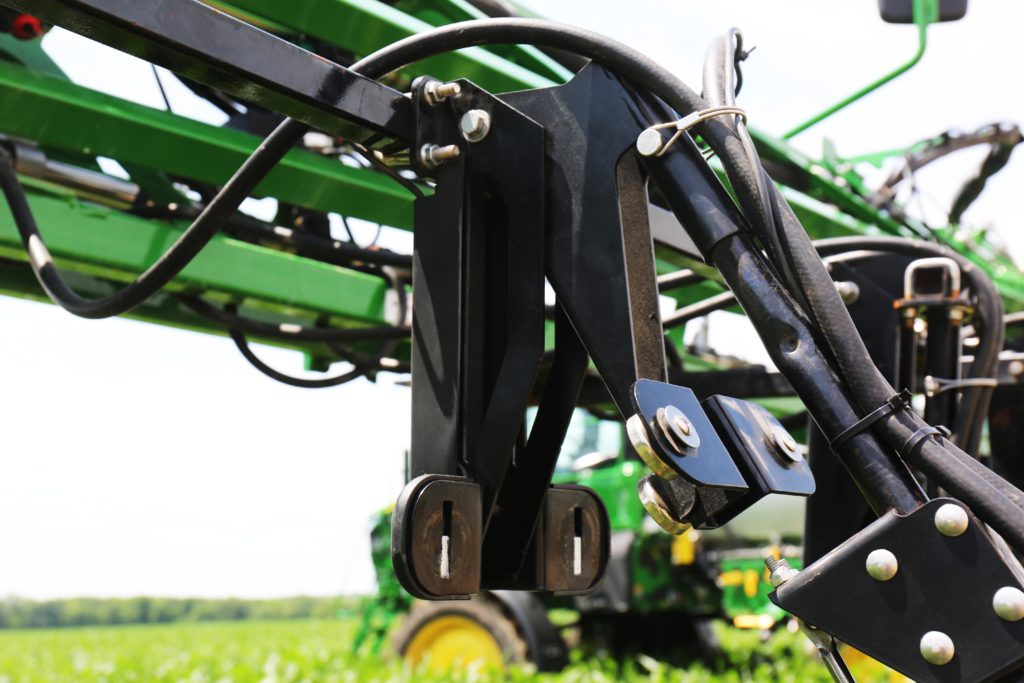
Adjustable arms allow for nitrogen placement in narrow to wide rows. Breakaway mounting brackets allow for easier navigation across hills and uneven terrain.
RIGHT RATE.
RIGHT PLACE.
RIGHT TIME.
V6 TO VT → BASE OF THE PLANT → BOTH SIDES OF THE ROW
See how 360 Y-DROP follows the row and places nitrogen where developing roots can reach it.
OVERVIEW
360 Y-DROP FOR
TOOLBARS
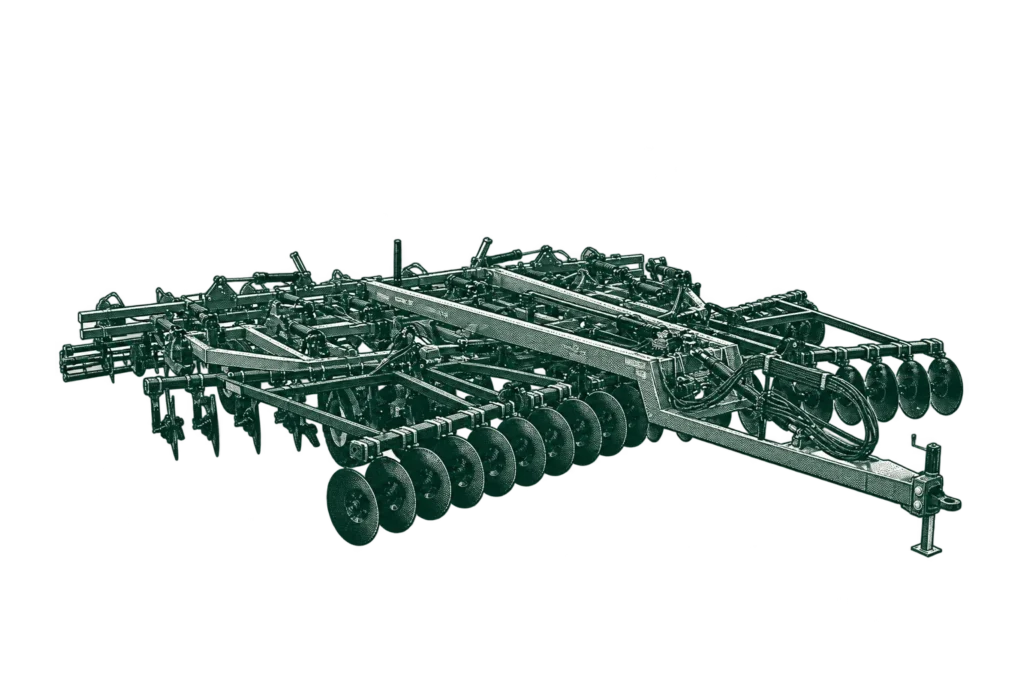
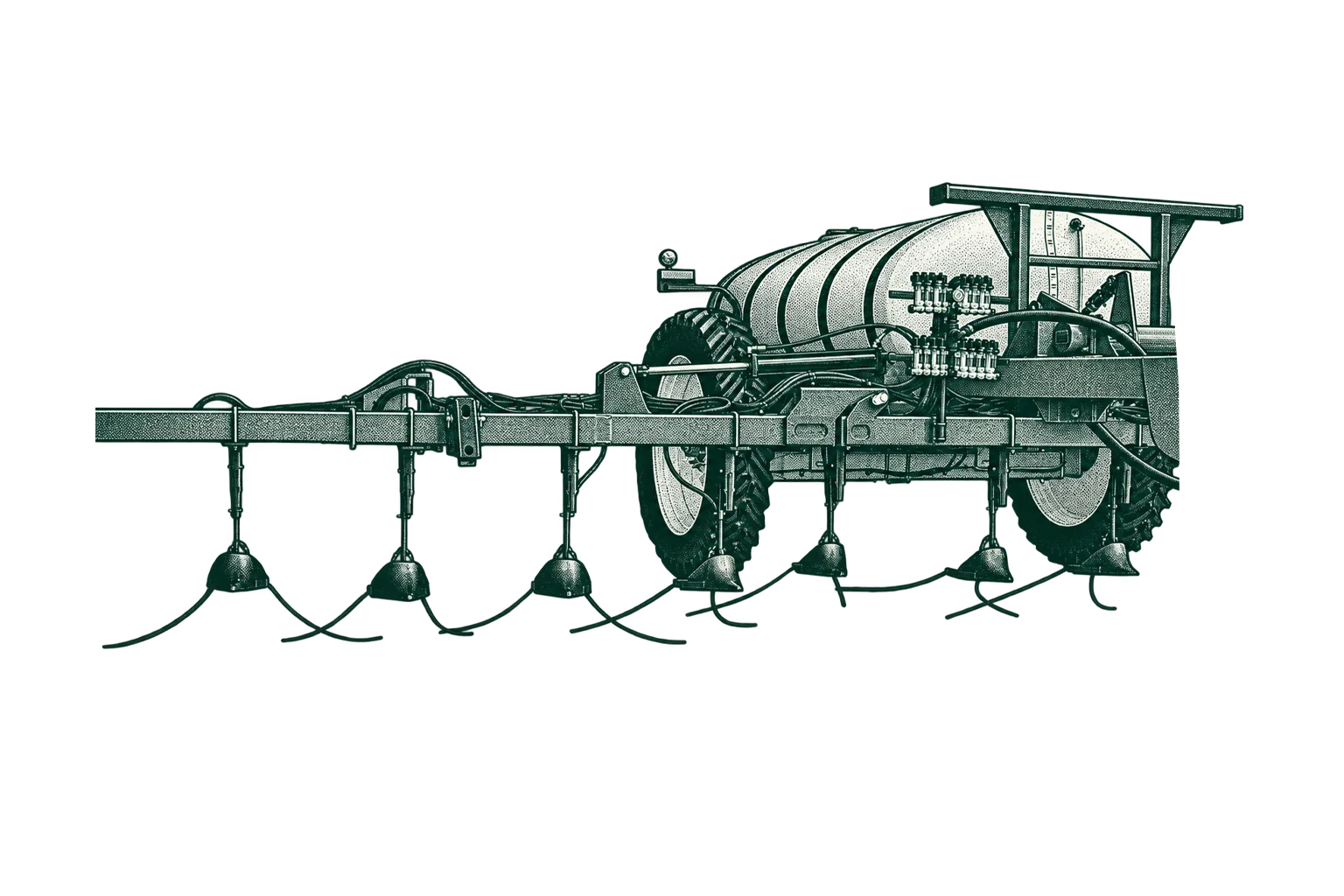
- Simple retrofit for your current coulter bar.
- No costly bearings and coulters to replace.
- Adjustable riser length allows mid-to-late nitrogen application as late as V7.
360 Y-DROP PRICING FOR TOOLBARS
STARTING AT*
$495/ROW
*Suggested list price per row, before promotions. Final pricing varies by dealer, configuration, freight and applicable taxes.
LIMITED-TIME OFFER
REBATE FOR
$XX.XX
PER ROW*
*Offer details and dates go here.
360 Y-DROP TOOLBAR
ROI CALCULATOR
See how quickly 360 Y-DROP could pay for itself based on your acres, expected yield gain and corn price.
Set up 360 Y-DROP Sidedress for consistent nitrogen placement beside the plant. Check filtration, flow control, base height and hose contact before applying.
FILTER AND METER EACH HOSE
Use 50- to 80-mesh screens to filter debris that may be carried in the nutrient solution. Install two orifices or variable-rate nozzles per drop, one to feed each drop hose, just after the Y on top of the 360 Y-DROP base. Use your 360 dealer’s charts to select the proper orifices or nozzles; running between 20–50 PSI is recommended.
PREVENT BURN ON END ROWS
To reduce drainage on end rows, install a 50-mesh, 10-pound check valve above the Y on the 360 Y-DROP base and add additional screening before product reaches the orifice or variable-rate nozzle.
OUTSIDE-ROW ADJUSTMENT
When applying to only one side of an outside row, increase the orifice size to achieve 1.5 times the rate. Refer to the operator’s manual to determine orifice size.
KEEP HOSES IN PLACE
30-inch drag hoses are the most popular length. For the most consistent placement, keep 3 inches of hose in contact with the soil and carry the base 8–14 inches off the ground. If you run in hills and it’s harder to maintain height, consider running higher and using 36-inch drag hoses.
MATCH WINGS TO ROW WIDTH
The 360 Y-DROP wings have four settings. Start with position 1 for 15-inch rows, position 2 for 20-inch rows, position 3 for 30-inch rows and position 4 for 38-inch rows, then adjust for crop stage and desired placement.
8- TO 20-INCH-TALL CORN
In small corn, run the base at a narrower setting to relieve pressure against the stalk. Hoses should run 1–2 inches from the base of the plant. Loosen the hose clamp and rotate the hose if needed to achieve proper position.
AGRONOMIC SUGGESTIONS
When applying nitrogen, consider applying sulfur at the same time; corn generally needs a 10:1 nitrogen-to-sulfur ratio. At lower rates, you may need to add water to your UAN to hit your desired rate. Before canopy, when no rain is expected, consider a urease inhibitor to slow hydrolysis and ammonia loss. Consult your agronomic advisor for further recommendations.
TRANSPORT TIPS
To avoid excess hose wear, pin the 360 Y-DROP Sidedress base units up before road travel, using a pin through the hole in the breakaway.
SUPPORT
Find installation guides, how-to videos and product resources to keep your equipment running.
360 Y-DROP FOR
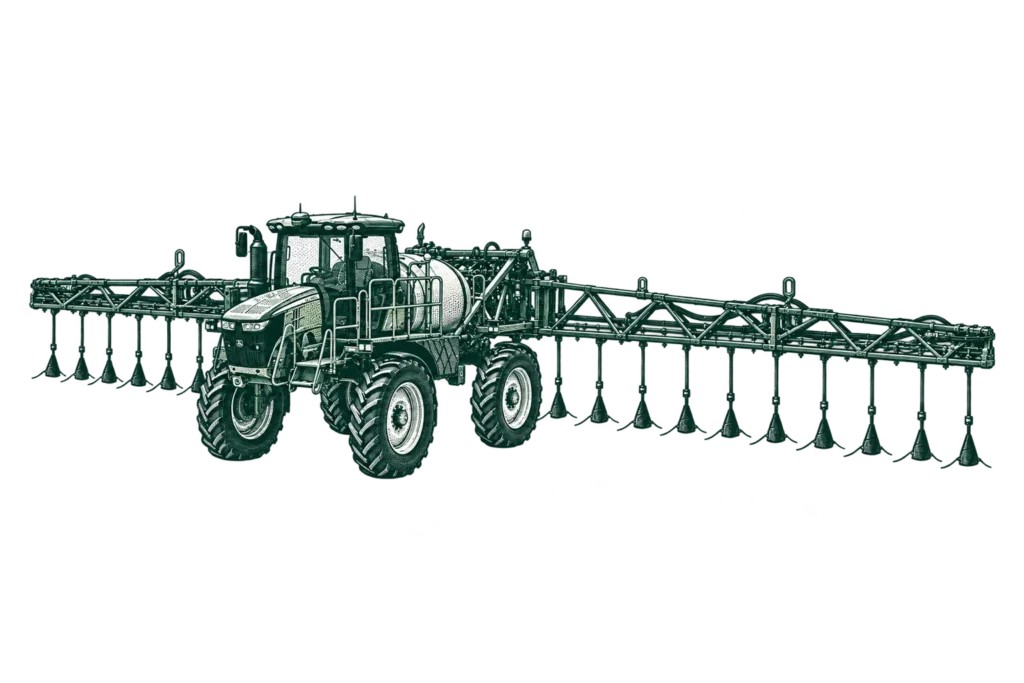
SPRAYERS
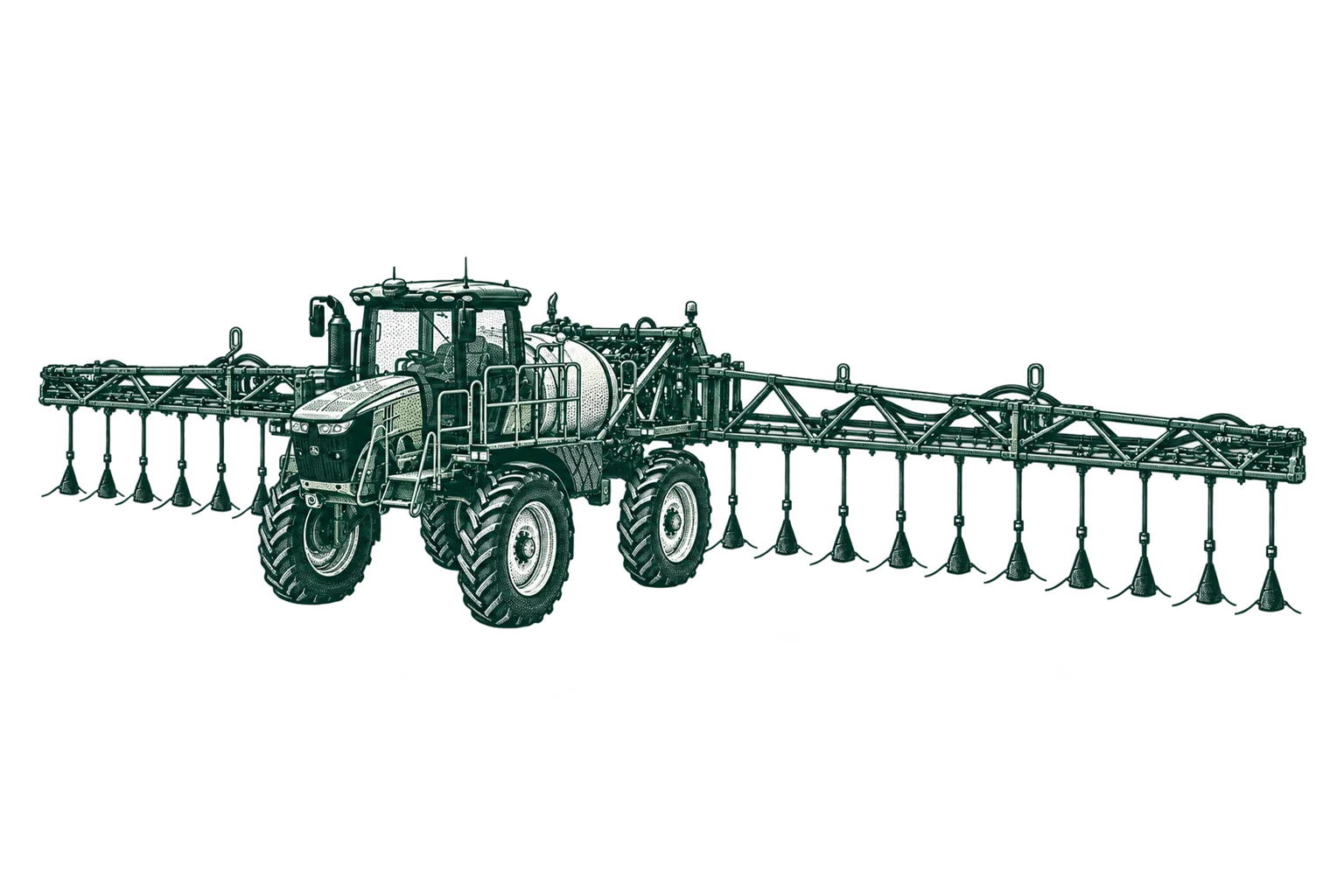
- Widens the application window to as late as VT.
- Shield keeps leaves from wrapping around the riser or hoses.
- Pair it with 360 GLIDE for boom height control that maintains the ideal position of the 360 Y-DROP base.
360 Y-DROP PRICING FOR SPRAYERS
STARTING AT*
$17,200
FOR A 60FT, 23 DROP SYSTEM
*Suggested list price for a 60 ft, 23-drop system, before promotions. Final pricing varies by dealer, configuration, freight and applicable taxes.
LIMITED-TIME OFFER
REBATE FOR
$XX.XX
PER ROW*
*Offer details and dates go here.
360 Y-DROP SPRAYER
ROI CALCULATOR
See how quickly 360 Y-DROP could pay for itself based on your acres, expected yield gain and corn price.
| Make | Model |
|---|---|
 John Deere |
JD 4630/R4023 |
|
John Deere
|
JD 4710 |
|
John Deere
|
JD 4720 |
|
John Deere
|
4830/4730 |
|
John Deere
|
4930/4940 |
|
John Deere
|
R (4030-4038-4044-4045), 400, 600 Series 80–100' Boom |
|
John Deere
|
R (4030-4038-4044-4045), 400, 600 Series 120' Boom |
|
John Deere
|
JD K&S Aluminum (4710-4730-4830) |
 Hagie |
Hagie STS Steel 80, 90, 100' Diamond (2000–current) |
|
Hagie
|
Hagie 120' Aluminum Boom (2012–2016) |
|
Hagie
|
Hagie DTS (2016+) |
|
Hagie
|
Hagie DTS (pre-2016), 284 and 2100 |
|
Hagie
|
Hagie Delta Boom |
|
Hagie
|
Hagie 120 Alum. 2017 or Rebuilt (2012–2016) |
|
Hagie
|
Hagie 60/90/100/120 Hybrid Boom |
 Case IH |
Case IH 120' Boom |
|
Case IH
|
Case IH 80'–90'–100' Boom |
|
Case IH
|
Case IH 2000 Series |
 Miller |
Miller Nitro (pre-2008) |
|
Miller
|
Miller Nitro (2008–2018) Mono Boom |
|
Miller
|
Miller Nitro Truss Boom (pre-2019) |
|
Miller
|
Miller Nitro Truss Boom (2019+) |
 New Holland |
New Holland Mono Boom |
|
New Holland
|
New Holland Truss Boom |
 Rogator |
Rogator 80, 90, 100' Boom |
|
Rogator
|
Rogator 120' Boom |
 Apache |
Apache 80, 90, 100' Boom |
No rows for that make.
- Sprayer Mount Packages available for 30ft, 40ft, 60ft, and 70ft boom options depending on sprayer model. Not all boom options are supported for all models.
- Number of drops is determined by row spacing. Not all row spacing configurations are supported for all models.
- Hydraulic capacity on 4830/4730/4630 and R4023 sprayers may be limited. The addition of a third hydraulic cylinder may be necessary for adequate boom lifting capacity.
Set up 360 Y-DROP for consistent placement beside the plant. Check filtration, flow control, base height and hose contact before applying.
FILTER AND METER EACH HOSE
Use 50- to 80-mesh screens. Install two orifices or variable-rate nozzles per drop, one for each hose, immediately after the Y at the top of the base. Use dealer sizing charts; the recommended operating range is 20–50 PSI.
LIMIT END-ROW DRAINAGE
Install a 50-mesh, 10-pound check valve above the Y and additional filtration before the orifice or variable-rate nozzle to reduce drainage and burn at row ends.
OUTSIDE-ROW FLOW
When applying to only one side of an outside row, size the orifice for 1.5 times the rate. Use the operator’s manual to determine the correct orifice.
SET HOSE CONTACT
With common 30-inch drag hoses, aim for 3 inches of hose touching the soil and carry the base 8–14 inches above the ground. In hills, a higher base and 36-inch hoses may help maintain placement.
MATCH WINGS TO ROW WIDTH
Start with position 1 for 15-inch rows, position 2 for 20-inch rows, position 3 for 30-inch rows and position 4 for 38-inch rows. Adjust for the crop stage and desired placement.
SMALL-CORN ADJUSTMENT
In 8- to 20-inch-tall corn, use a narrower base setting to reduce pressure on the stalk. Keep hoses 1–2 inches from the plant base. Loosen the clamp and rotate the hose if needed to achieve placement.
CHECK TRANSPORT CLEARANCE
Before road travel, turn the tires fully left and right to check riser interference. Secure or reposition risers using the appropriate transport mounts. Ask your dealer about extensions if more steer-tire clearance is needed.
REVIEW THE NUTRIENT PLAN
At low rates, water may be needed to reach the desired UAN application rate. Before canopy closure, talk with your agronomic advisor about sulfur needs and whether to use a urease inhibitor if no rain is expected.
SUPPORT
Find installation guides, how-to videos and product resources to keep your equipment running.
- 2017 Hagie Aluminum Boom SMP Update Installation Instructions
- Apache Full Installation
- Case 120 Full Installation Instructions
- Case 80'-90' Boom Full Installation Instructions
- Hagie Aluminum Full Installation Instructions
- Hagie Delta Boom Full Installation Instructions
- Hagie DTS 2016+ Full Installation
- Hagie Hybrid Boom Full Installation Instructions
- Hagie STS Full Installation
- JD 4630 Full Installation Instructions
- JD 4710 Full Installation Instructions
- JD 4720 Full Installation Instructions
- JD 4730/4830 Full Installation Instructions
- JD 4930/4940 Full Installation Instructions
- JD R-Series Full Installation
- Miller/ New Holland Full Installation Instructions
- Rogator Full Installation Instructions
- Y-DROP Sidedress Installation Instructions
- 360 GLIDE – BoomTrac Pro Installation Instructions
- 360 GLIDE – Hagie with AutoTrac Installation Instructions
- 360 GLIDE – Hagie with SmarTrax Installation Instructions
- 360 GLIDE – John Deere Installation Instructions
- 360 GLIDE – Norac UC5 & UC7 Installation Instructions
360 GLIDE
USED WITH Y-DROP FOR SPRAYERS
360 GLIDE provides reliable, mechanical automatic positioning of your 360 Y-DROP for Sprayers system that ensure ideal hose position and nitrogen placement. Using a simple sensor rod that mounts to the 360 Y-DROP base, the system constantly adjusts the 360 Y-DROP base position relative to the ground.
- Mechanical sensor rod autonomatically maintains the ideal position of the 360 Y-DROP base and flexes to easily handle contours and turns.
- Plugs into your existing control system and adjusts the 360 Y-DROP base position relative to the ground.
- No additional monitors or elaborate configuration.
360 GLIDE PRICING
STARTING AT*
$3,750
*Suggested list price, before promotions. Final pricing varies by dealer, configuration, freight and applicable taxes.
LIMITED-TIME OFFER
REBATE FOR
$XX.XX
PER ROW*
*Offer details and dates go here.
360 GLIDE
| Make | Height System | Monitor |
|---|---|---|
|
John Deere
|
BoomTrac Pro | 2630 or newer |
 NORAC |
UC5/UC7 | UC5/UC7 Monitor |
- NORAC's UC5 and UC7 are the only supported NORAC product models. UC4, UC4.5 compatibility is not verified.
- 360 GLIDE systems are compatible with 5 sensor systems only. Compatibility with OEM 3 sensor systems is not verified.
- Using a John Deere sprayer with a NORAC Boom Height System is not supported.
- Raven Autoboom is not currently supported.
The 360 GLIDE sensing wand is made from wear-resistant UHMW plastic that flexes and pivots to handle contours, turns and backing up. If the wand bends while turning or backing up, sensing performance isn’t affected, and it can easily be bent back to a straighter position.
PROTECTION
Triple-magnet breakaways have extra holding power to keep the riser in position, and built-in sensors detect when a riser breaks away so the boom responds properly. A standard spring riser allows more freedom of movement when backing up or turning, and a cable splint prevents the riser from swinging backward.
EXISTING SYSTEM CALIBRATION
Before unplugging your existing ultrasonic sensors, verify that your boom height control system is working properly and calibrate it if needed. 360 GLIDE sensors do not support the protocols to perform boom height system calibration.
INSTALLATION TIPS
Before unplugging your existing ultrasonic sensors, take a picture of the monitor’s current setup for reference. Use your existing boom height control monitor to set up the 360 GLIDE sensors: serial numbers 36001 (left inner), 36002 (center) and 36003 (right inner) will appear. Make sure each sensor is set up in its correct location.
NORAC CAN TERMINATION
CAN terminating resistors are required for the connected controllers to operate properly. When installing 360 GLIDE, unplug the existing boom height sensors but leave the terminating resistors connected so the 360 GLIDE sensors can communicate with the boom height controller.
HARNESS ROUTING
Route the drop harness with the liquid supply hose. Leave slack in the harness around the spring so the riser can move without straining the wires.
BOOM RAISING
Raise the booms so the 360 Y-DROP bases are well above the ground when turning or backing up. Some boom height control systems can raise the boom automatically on command; consult your system’s manual to configure this option.
TARGET HEIGHT
Unfold the booms on a flat surface and lower them manually until the 360 Y-DROP bases are 12–18 inches off the ground. Note the heights shown in the sprayer monitor and set them as your new target heights. Setting the target too close to the ground may cause excessive riser breakaways, so fine-tune it in the field for your sprayer and field topography.
LED INDICATORS
The control module’s blue and red LEDs help diagnose CAN, breakaway and sensor-range issues. Dot = short blink, dash = long blink.
Blue 0.5 Hz: all breakaways in position and height sensors in range.
Red 0.5 Hz: controller powered and CAN activity normal.
Blue 2 Hz: one height sensor is out of range.
Blue dot-dot-dash: one breakaway has broken away.
Red 2 Hz: CAN errors detected.
When blue shows an error, red shows where: dot-dash = left drop, dot-dot-dash = center drop, dot-dot-dot-dash = right drop.
SUPPORT
Find installation guides, how-to videos and product resources to keep your equipment running.
BETTER TIMING + PLACEMENT.
PROVEN IN THE FIELD.

“We really like the placement with 360 Y-DROP. It allows us to put the fertilizer in the root zone, right where it’s needed.”
Jordan Hancock
Fulton, Kentucky
360 Y-DROP SPRAYERS
+7.5
BU./AC.
In a 2021 Nachurs trial, UAN28 applied with 360 Y-DROP at V8 delivered a 7.5-bushel advantage over the same rate applied with a coulter at V4.
360 Y-DROP TOOLBARS
+4.2
BU./AC.
Across a seven-state placement study, the 360 Y-DROP treatment averaged 205.7 bu./ac.—a 4.2-bushel advantage over coulter sidedress application.
360 Y-DROP FAQs
Find quick answers about application rates, operating height, pressure, nozzles, field conditions, stabilizers and day-to-day operation.
Does 360 Y-DROP knock down corn on the end rows?
The flexible riser used on 360 Y-DROP minimizes crop damage during turns. A spring and cable built into the riser allow the base to weave between plants.
What range of application rates can I apply with 360 Y-DROP?
Application rates are determined by the orifices used in the 360 Y-DROP base. The system’s rate capacity is determined by the pump, plumbing, speed and orifice size. The 360 Y-DROP system itself does not limit capacity. Typical application rates range from 40 to 120 units per acre.
Can I put 360 Y-DROP on the secondary and tertiary booms of my applicator?
No. These outer booms cannot support the weight of 360 Y-DROP, and it would not be possible to fold the outer booms without removing the units before each folding sequence.
Do I need a tall applicator to use 360 Y-DROP?
The system fits most sprayer makes and models. The taller the applicator, the later you can make an application. However, most nitrogen sidedress applications occur around V10. Standard-height applicators can easily handle applications at V10 and V11.
Will I have trouble lifting my boom with 360 Y-DROP installed?
Some older John Deere and Hagie applicators require a lift-assist cylinder to improve lift performance. This is uncommon, but it can occur. The 360 YIELD Product Support team can help identify applicators that may have an issue.
Does 360 Y-DROP cause leaf or brace-root burning?
Even at high application speeds, the 360 Y-DROP hoses remain on the soil surface and do not flop around. Salt burn on lower leaves or brace roots is rare.
The 360 Y-DROP bases should be operated approximately 12 inches above the ground. Some leaf burn can occur in the headlands as the hoses weave through the corn, but damage is minimal. Growers can add check valves to eliminate drips on the end rows.
How do I use 360 Y-DROP in down or gooseneck corn?
Operating 360 Y-DROP in down or gooseneck corn is not recommended.
How fast can I drive?
Operating speeds of 10 to 12 mph are common, but the 360 Y-DROP system does not impose a specific speed restriction.
Can I use 360 Y-DROP on hills or terraces?
360 Y-DROP handles uneven terrain and tracks through corn in terraces and curves. On hillsides, the applicator itself may struggle to maintain its position and can move the units off target, especially on rear-boom applicators. Boom-height and steering controls for 360 Y-DROP can improve performance in these conditions.
Should I use variable-rate nozzles?
For typical on-farm sidedress nitrogen applications, flat disk orifices provide an adequate range of rates without the added expense of variable-rate nozzles. For custom application, variable-rate nozzles may provide an extended range and reduce the need to change disk orifices.
Do I need to change my monitor setup?
Generally, no changes to the monitor setup are required.
What pressure should I run?
A pressure range of 30 to 60 psi is optimal.
What is the best operating position for the 360 Y-DROP bases?
To maintain the ideal drag-hose position, the bases should operate approximately 10 to 12 inches above the ground.
Where do the orifices go?
Each row requires two orifices. They are located between the male and female quick-connect fittings on the base unit.
Do I need a check valve?
Liquid loss on the end rows is minimal. However, a check valve can be added to eliminate this loss and reduce splatter during turns.
Can I apply two products at the same time?
360 Y-DROP and 360 UNDERCOVER can be used together only when the applicator has a dual-tank, dual-pump and dual wet-boom system.
How much does the sprayer mount package weigh?
A 60-foot sprayer mount package weighs approximately 1,000 pounds.
What is the highest rate I can apply without damaging the plant?
The answer depends on crop and application conditions. Volumes as high as 60 gallons per acre have been applied without crop damage.
* Pricing varies by model and is subject to change. Contact 360 YIELD for a customized quote.