
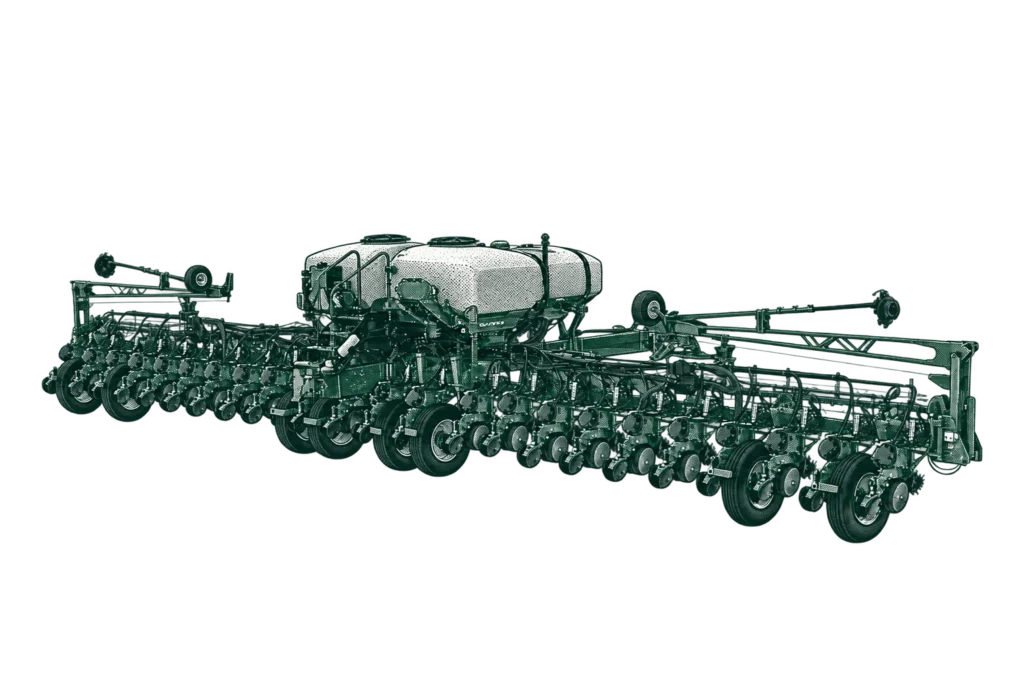
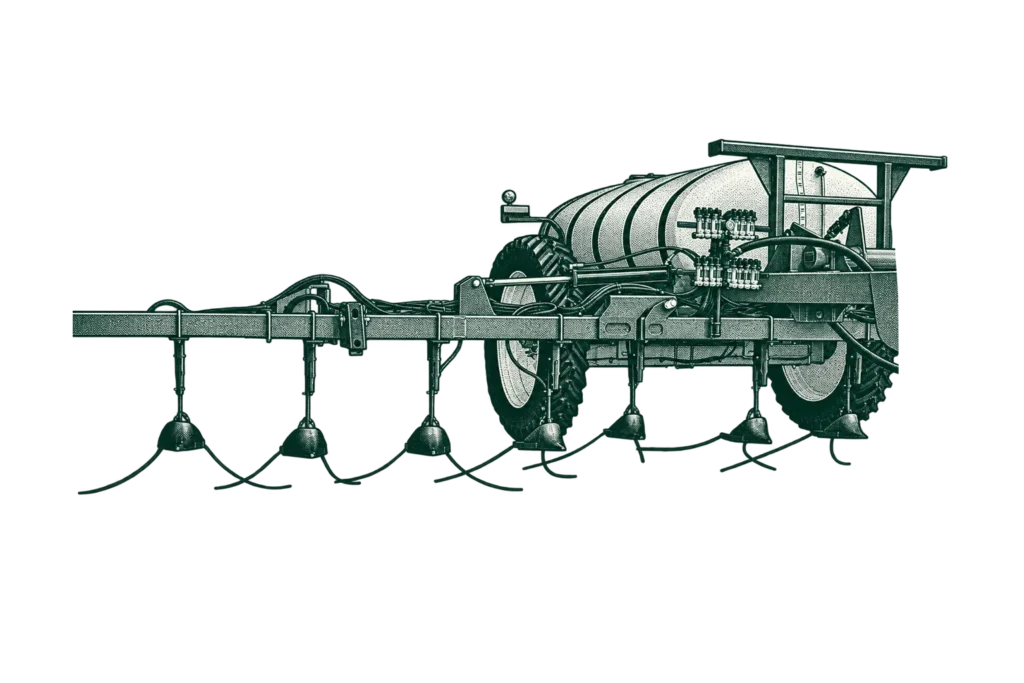
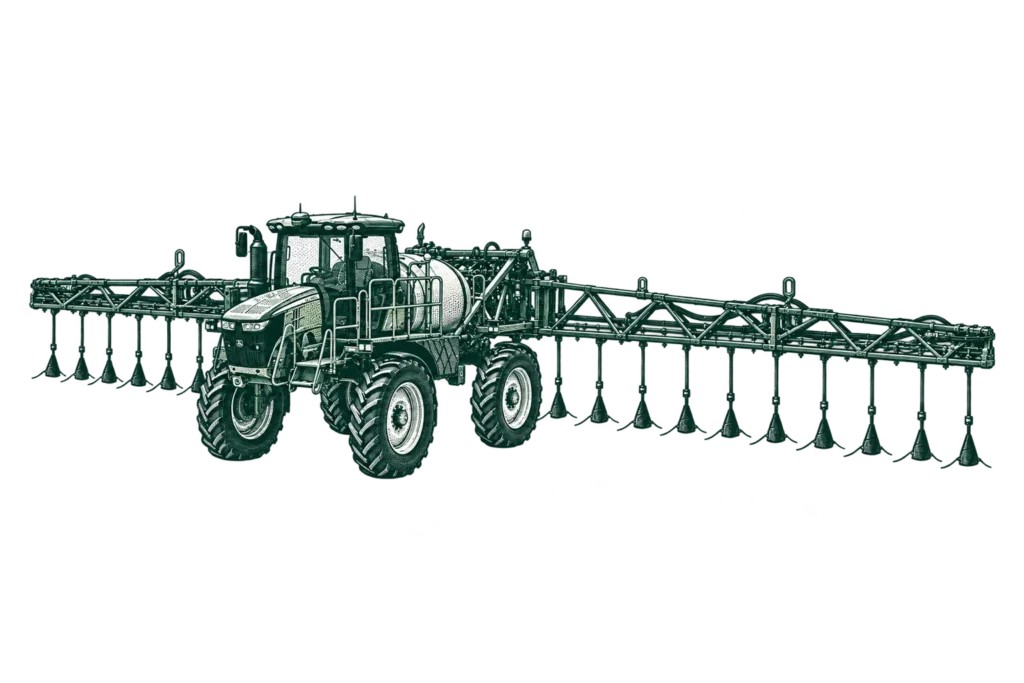
A Bloomfield, Iowa, trial compared three ways to deliver the same 150 units of nitrogen: all before planting, a split between preplant and sidedress, and a split between planter-banded and sidedress applications.
The three treatments
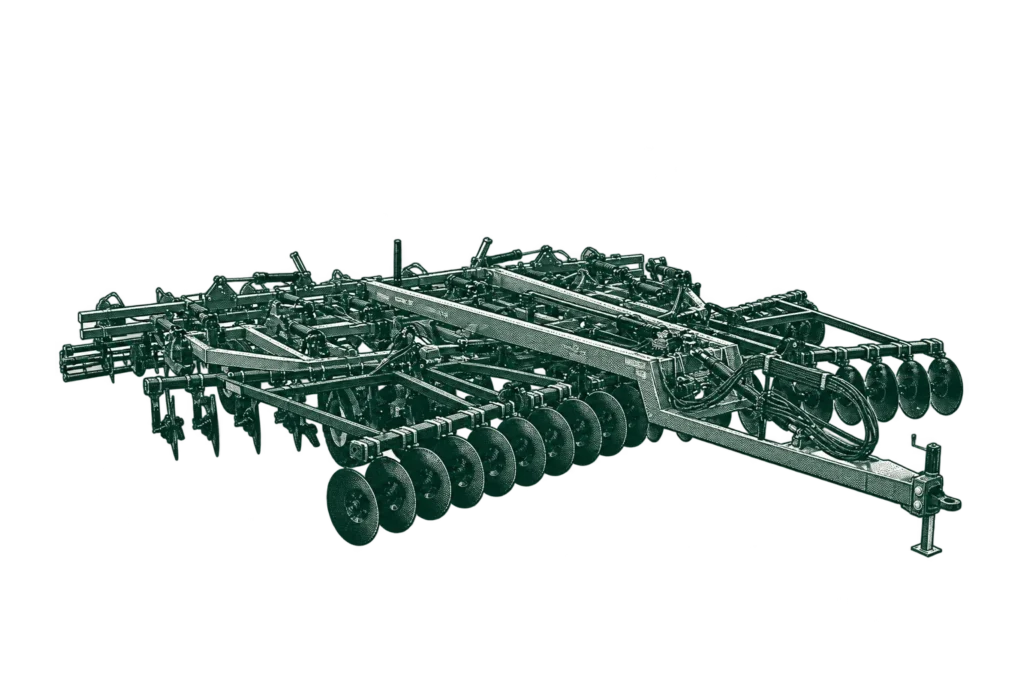
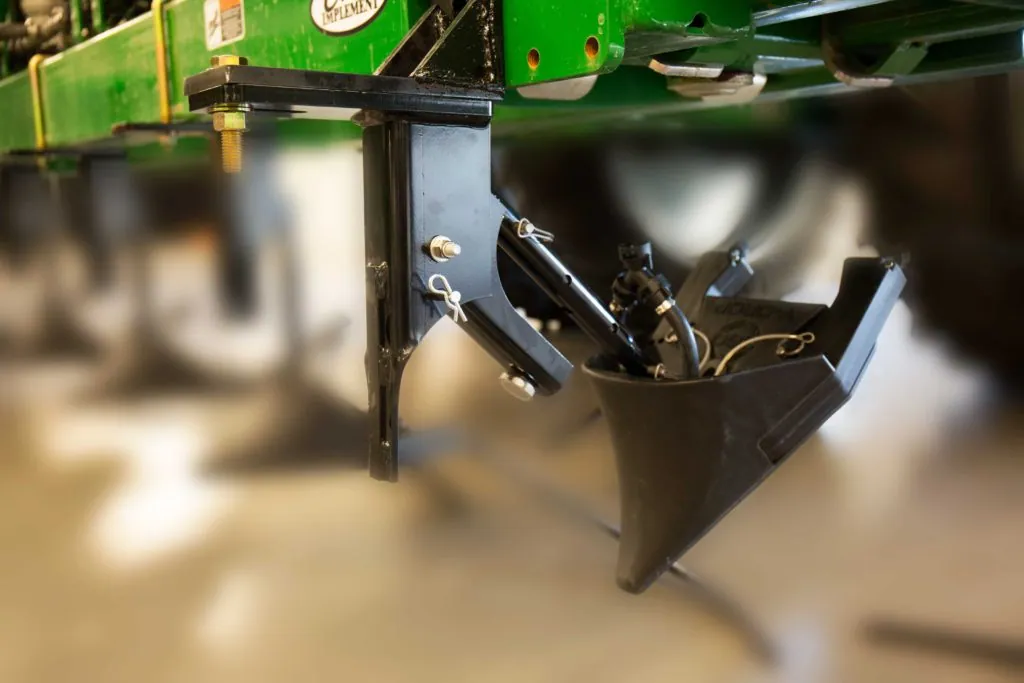
The all-preplant treatment used a coulter bar. The second strategy applied half preplant and half at V8-V9 with 360 Y-DROP. The third placed half with 360 BANDIT at planting and half with 360 Y-DROP at V8-V9.
Yield result: All-preplant nitrogen yielded 158.8 bushels per acre. Splitting the application between preplant and 360 Y-DROP yielded 165.7. Combining 360 BANDIT and 360 Y-DROP yielded 173.5—14.7 bushels above the all-preplant treatment.
Three nitrogen strategies compared
The field received small, consistent rains through July before turning dry. The report noted no large rainfall events that would have caused excessive nitrogen leaching.
More than a rate decision
All treatments received the same total nitrogen. The differences were timing and placement. Splitting the application improved yield, and moving the early portion from a preplant coulter pass to planter banding produced the highest result in this field.
This was a single Iowa trial. Soil, rainfall, nitrogen source and crop rotation can change the response. Use it as evidence that a nitrogen plan should consider when and where nutrients are placed—not only the total pounds applied.