
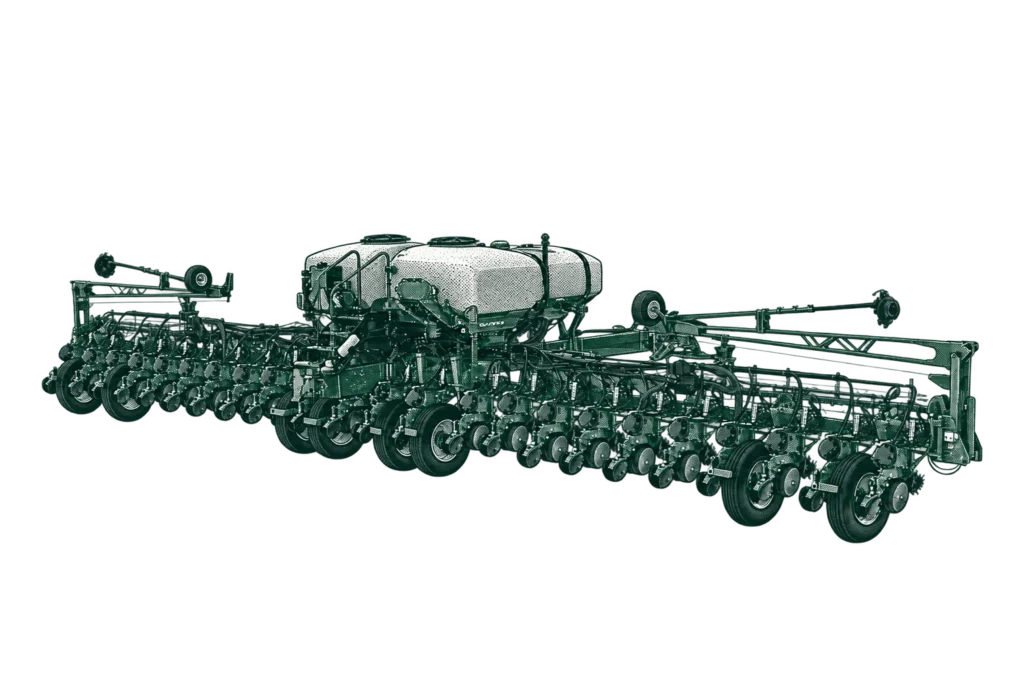
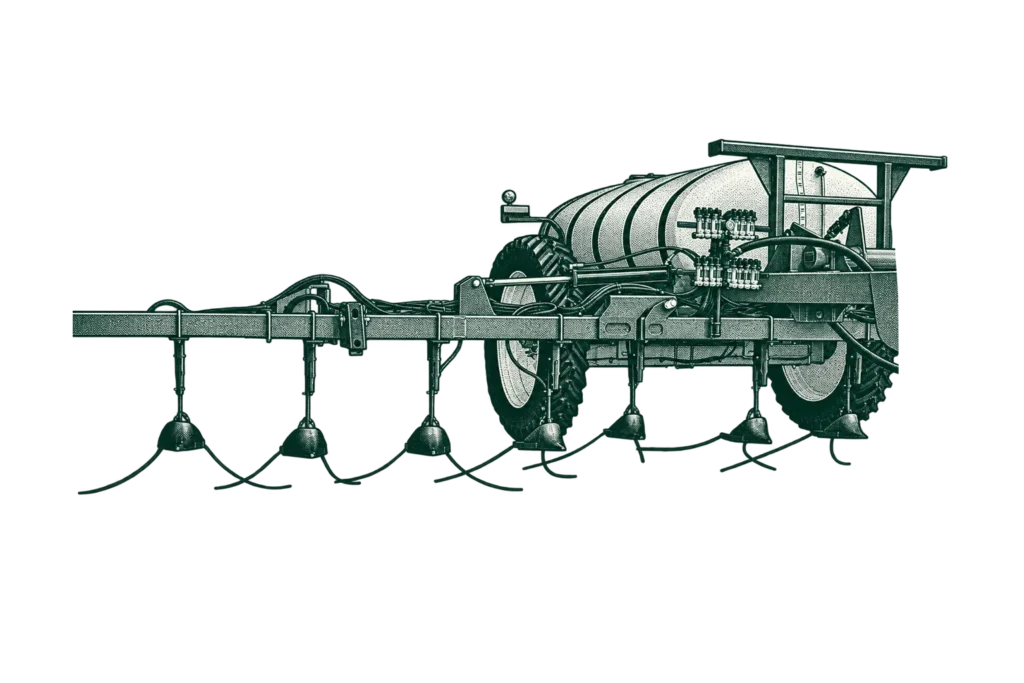
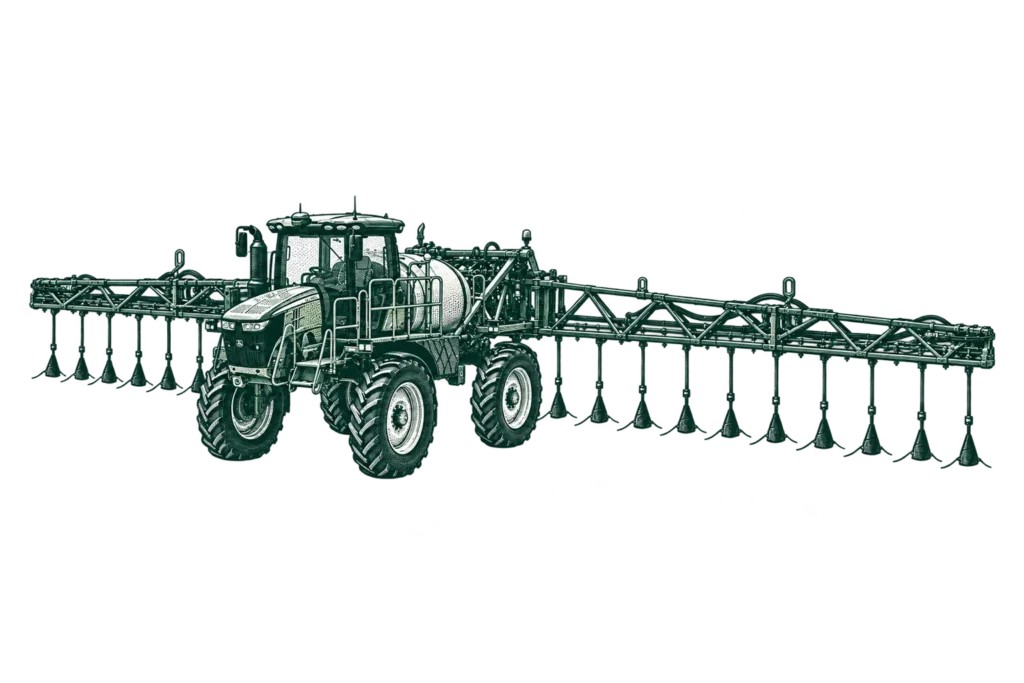
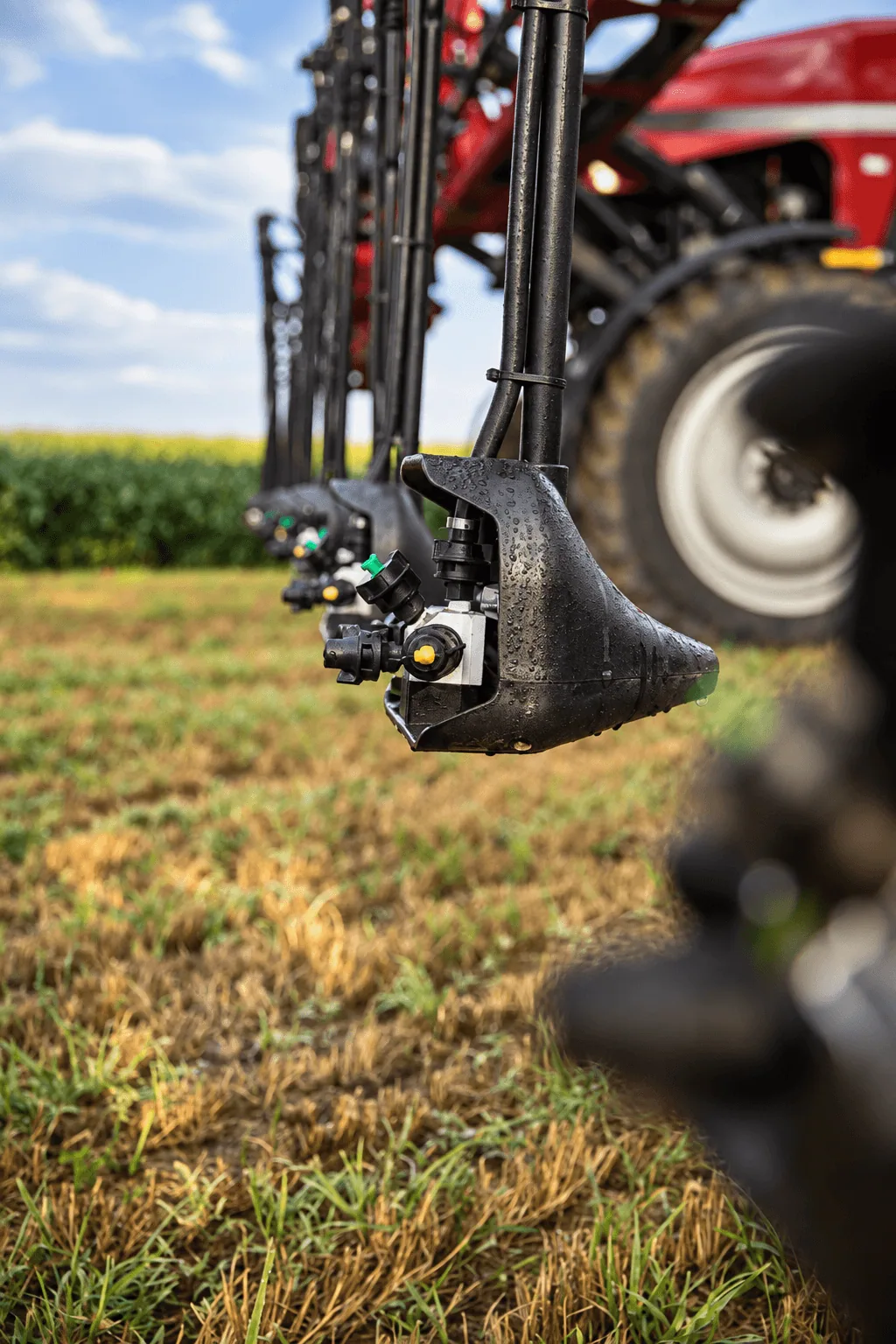
A Winfield, Iowa, field trial compared aerial fungicide application with a high-volume ground pass using boom nozzles and 360 UNDERCOVER. An untreated control provided a baseline.
Same active ingredient, different delivery
The aerial treatment applied the product at 2 gallons per acre. The ground treatment used 18 gallons per acre and combined three in-canopy nozzles with one boom nozzle over the top of the plants. Both methods used the same active ingredient and concentration.
The report noted that disease pressure was low at this location, an important detail when interpreting the response.
Yield result: The ground-applied treatment yielded 250 bushels per acre—19 more than the untreated control and 20 more than the aerial treatment.
Fungicide application comparison
The aerial treatment yielded 230 bushels per acre, compared with 231 for the control. Grain moisture was 0.9 percentage point higher in the ground treatment and 0.8 point higher in the aerial treatment than in the control.
Coverage matters
The comparison suggests that carrier volume and in-canopy coverage can influence crop response, even when the active ingredient remains the same. However, the ground treatment included both 360 UNDERCOVER and boom nozzles, so the result should be attributed to the complete ground-application method—not to one component alone.