
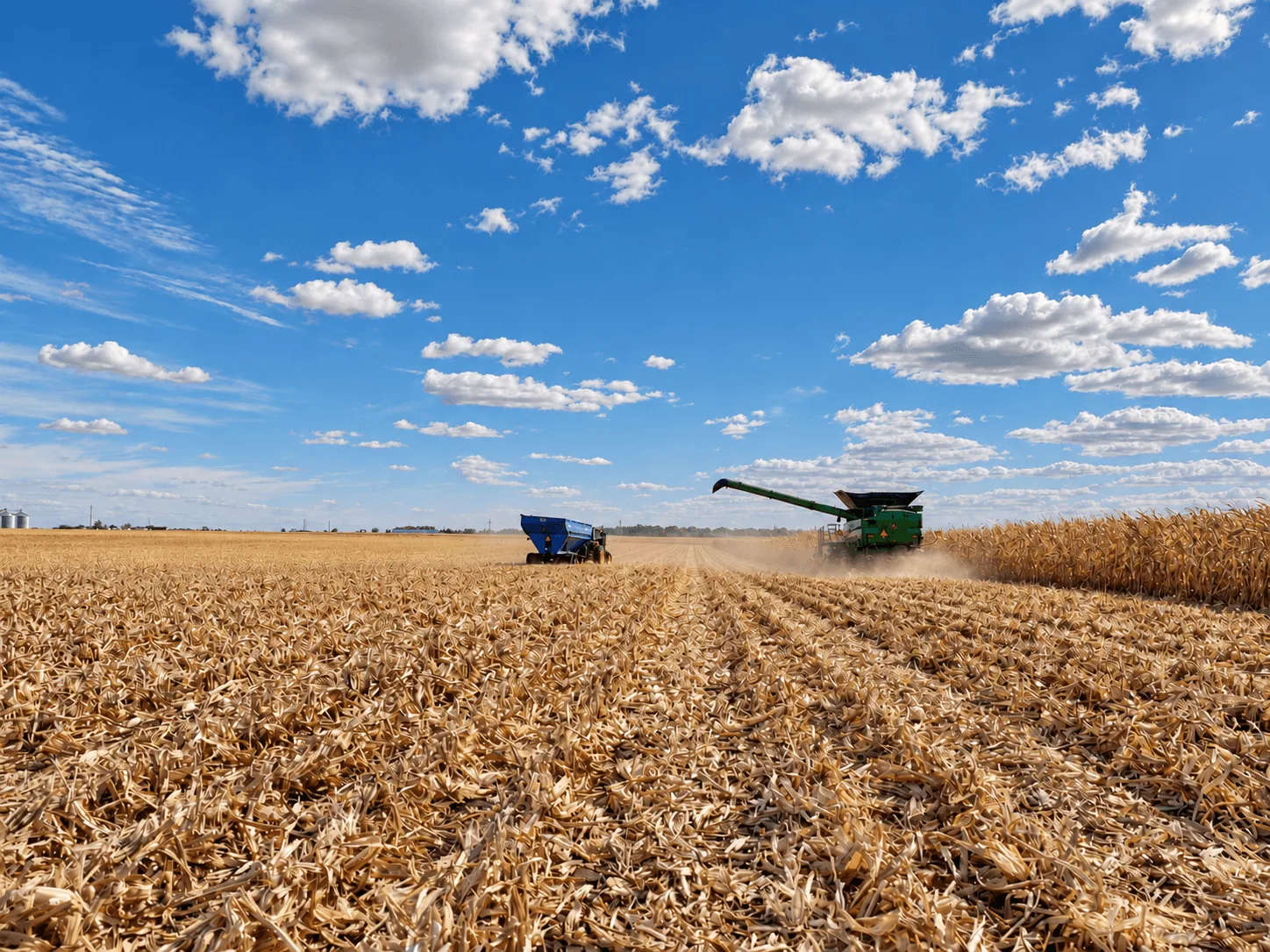
Residue management starts the moment the combine enters the field. In a 2017 stalk-roll test plot, residue processed with 360 CHAINROLL showed visible microbial activity just three weeks after harvest compared with residue processed by OEM stalk rolls.
What the test plot showed
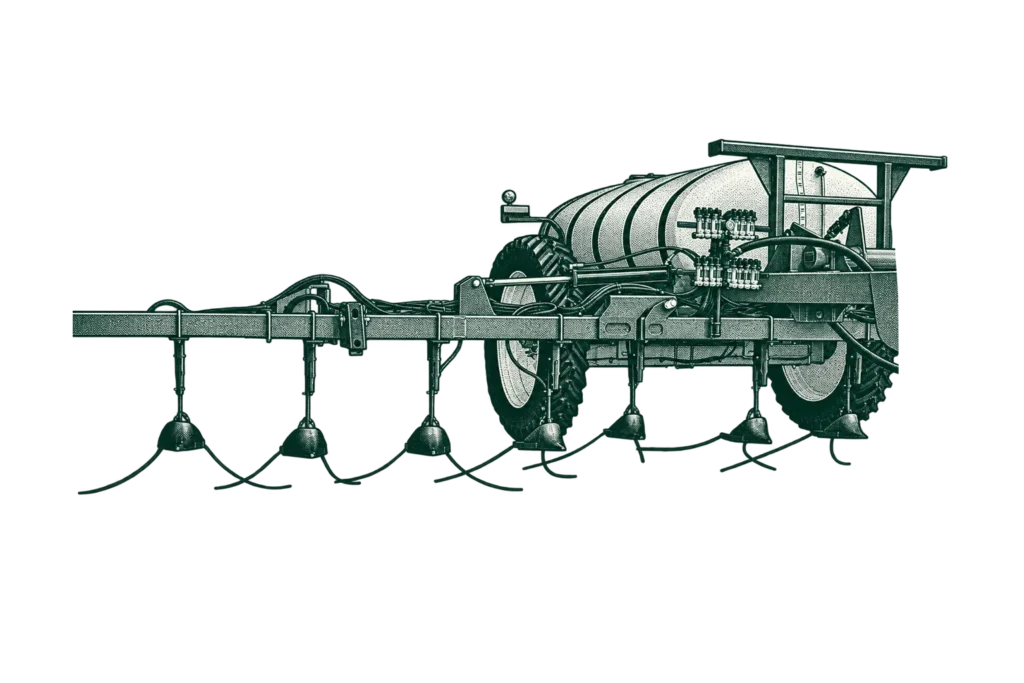
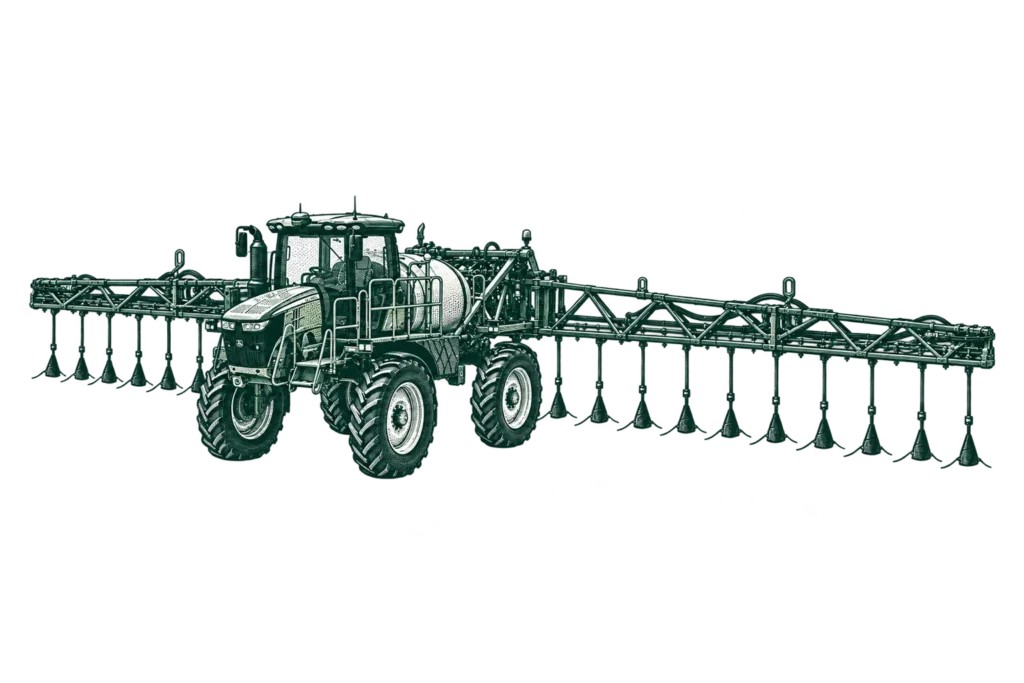
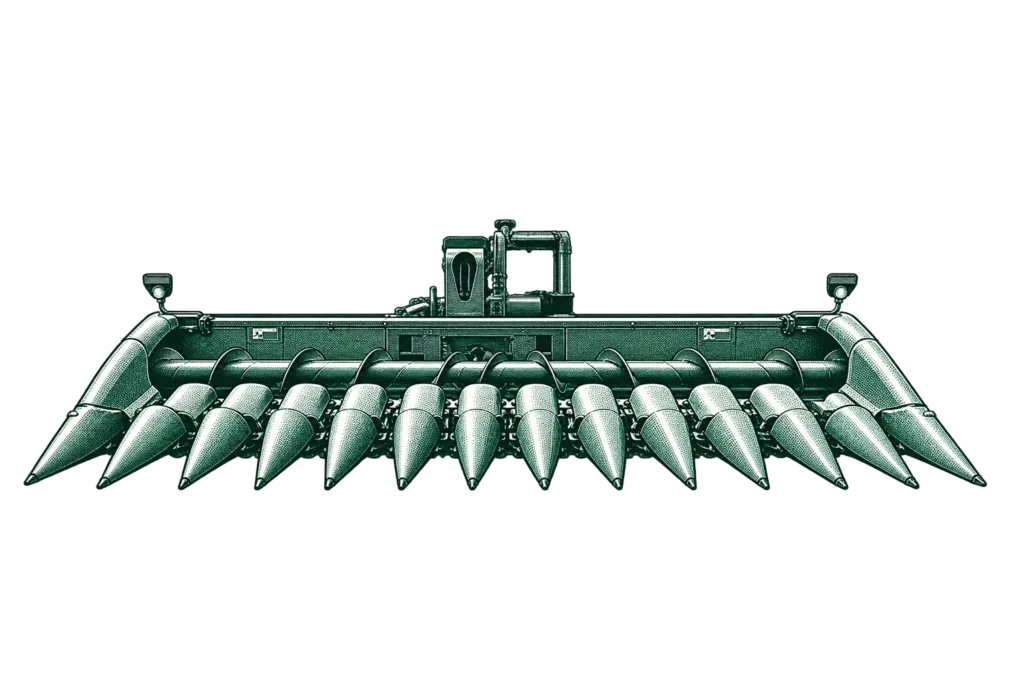
360 CHAINROLL chops and perforates the stalk while leaving sections connected in a chain-like pattern. Those openings expose more surface area to moisture and microbes, helping residue begin breaking down sooner without creating the small “confetti” pieces that can remain in the seed zone.
Three weeks after harvest, stalks processed with 360 CHAINROLL were already showing visible microbial activity.
Why residue size matters
Faster breakdown is only part of the goal. CHAINROLL creates manageable stalk sections that row cleaners can move away from the seed trench. That helps reduce residue-related wicking, seedling disease pressure and uneven emergence while keeping pieces large enough to stay in the field.
Built to start next season sooner
By opening the stalk from end to end, CHAINROLL gives moisture and microbes more entry points. The result is a residue-management approach designed to accelerate decomposition, improve spring row cleaning and help nutrients tied up in residue return to the system sooner.
Test context: This result documents the visible residue-breakdown difference observed in the 2017 stalk-roll test plot. Field conditions and outcomes vary by operation, hybrid, weather and management.
Turn harvest into the first pass of next season.
See how 360 CHAINROLL helps size, open and manage corn residue from the start.