
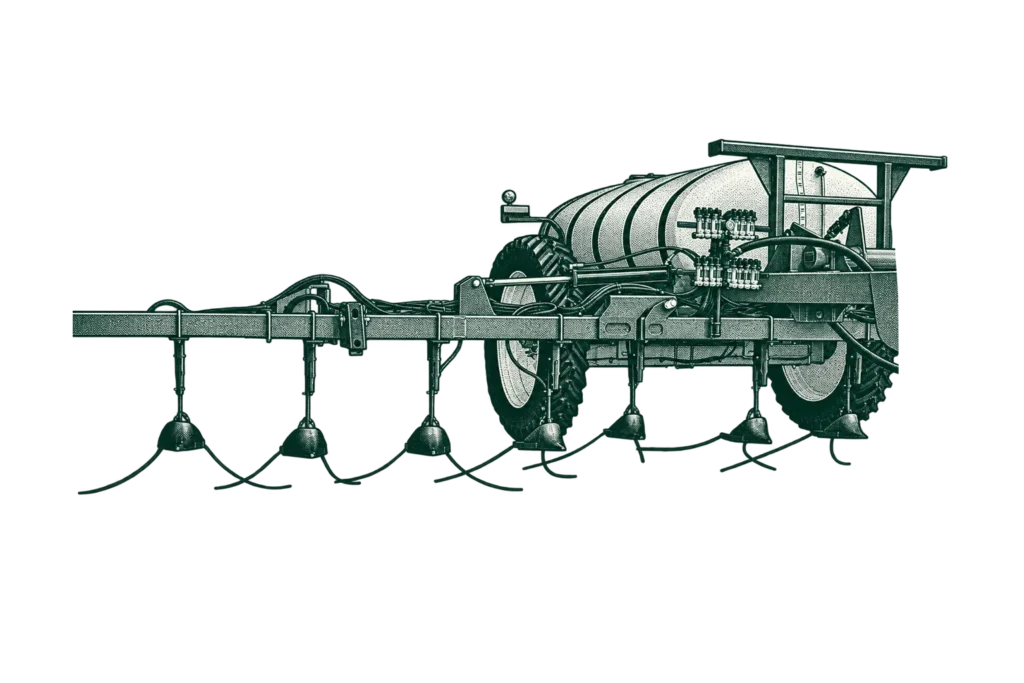
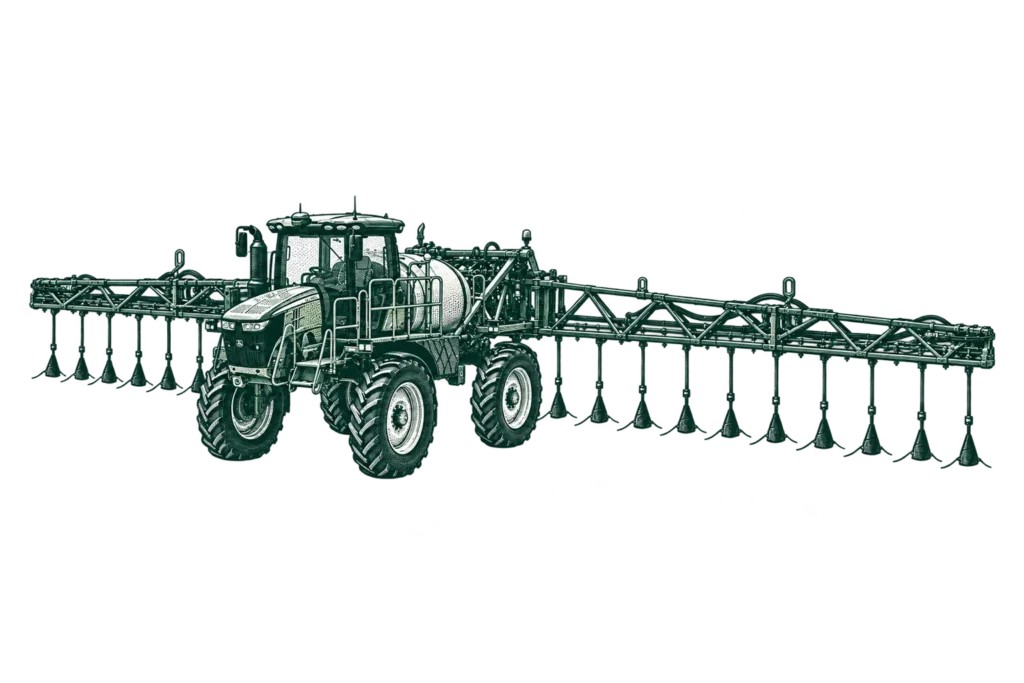
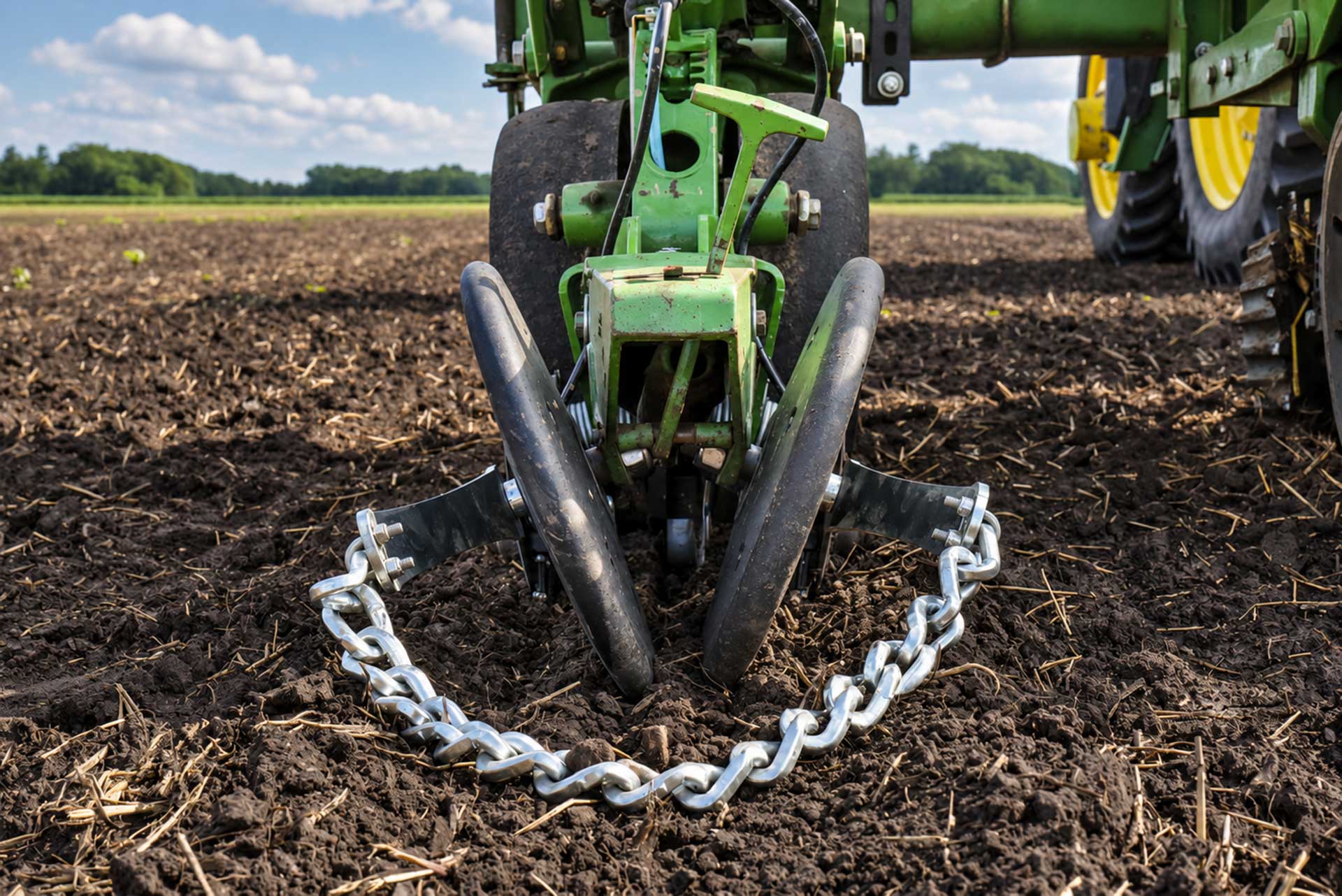
A two-year field study in Tremont, Illinois, compared preplant broadcast nitrogen with nitrogen banded at planting using 360 BANDIT. Total nitrogen remained the same; timing and application method changed.
Results across two rotations
The study included corn after soybeans and corn after corn. In both rotations, the banded treatment produced the higher two-year average.
Yield result: Planter-banded nitrogen averaged 6.15 more bushels per acre in corn after soybeans and 16.1 more bushels per acre in corn after corn over two years.
Two-year planter-banded nitrogen advantage
The response was larger in continuous corn. In 2019, the corn-after-corn banded treatment gained 8.8 bushels per acre. In 2018, it gained 23.4 bushels.
Why rotation may change the response
Corn residue has a high carbon-to-nitrogen ratio. As microbes break it down, they can temporarily tie up nitrogen that would otherwise be available to the growing crop. The report identifies this carbon penalty as a possible reason the corn-after-corn response was larger.
The results do not mean banding will create the same response in every field. Weather, residue levels, soil nitrogen and application details all matter. They do show why nitrogen placement deserves consideration alongside total rate.