
A Marathon County, Wisconsin, trial compared two sidedress placement methods in both corn after soybeans and corn after corn. The total sidedress rate was the same; the placement changed.
Near-row placement versus row-middle placement
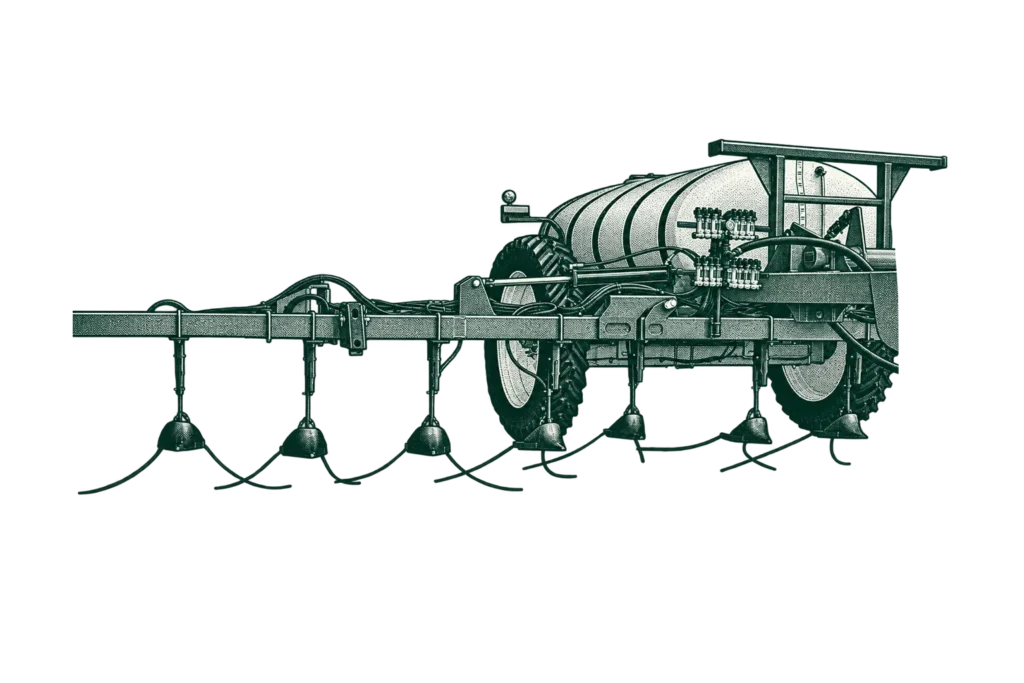
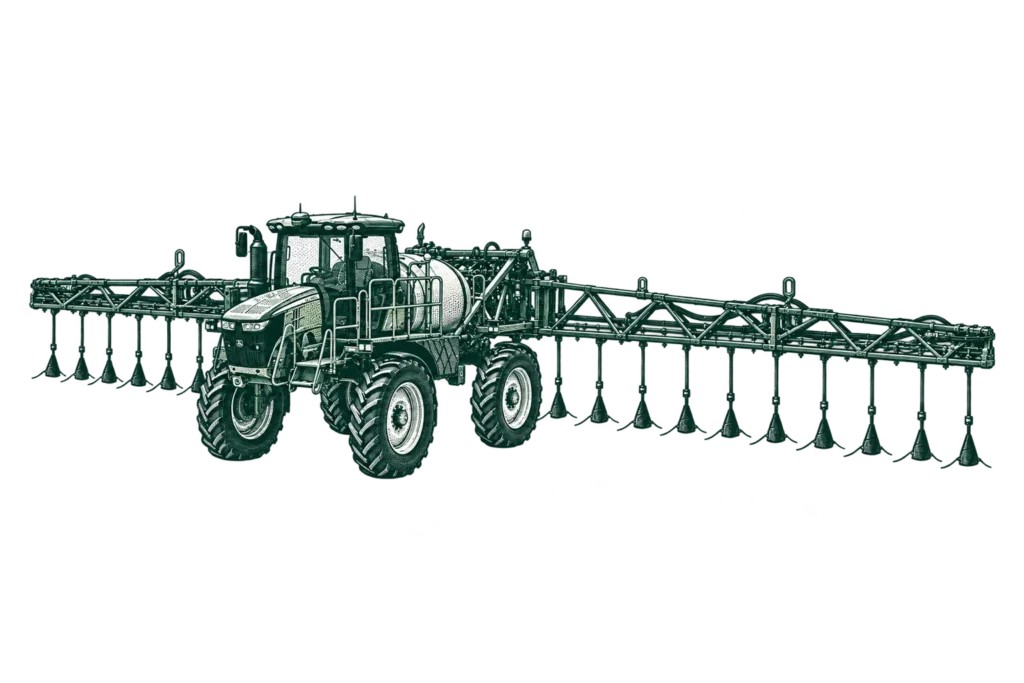
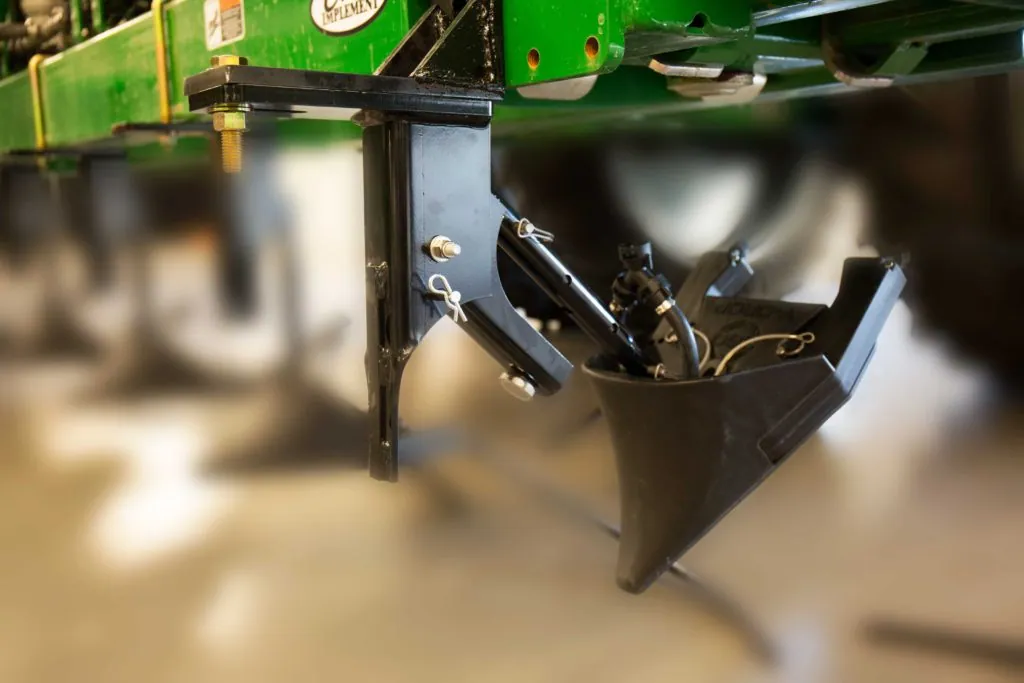
The coulter applicator placed liquid nitrogen in a slot near the center of the row. 360 Y-DROP placed bands near the base of the corn plants, where moisture could carry nitrogen into the root zone.
Yield result: 360 Y-DROP produced a 6.9-bushel advantage in corn after soybeans and a 28-bushel advantage in corn after corn. The average response across the two rotations was 17.45 bushels per acre.
Placement results by crop rotation
The corn-after-soybeans treatments yielded 183 bushels with the coulter and 189.9 with 360 Y-DROP. In continuous corn, the results were 197.9 and 225.9 bushels, respectively.
Why the rotation response may differ
Continuous corn generally carries more residue, which can temporarily tie up nitrogen during decomposition. Placing sidedress nitrogen close to the plant may help improve access during periods of high demand.
The unusually large continuous-corn response came from one location and season. It should be considered alongside the report’s broader note that six years of side-by-side Midwest tests had shown a consistent 6-plus-bushel response over coulter applications.