
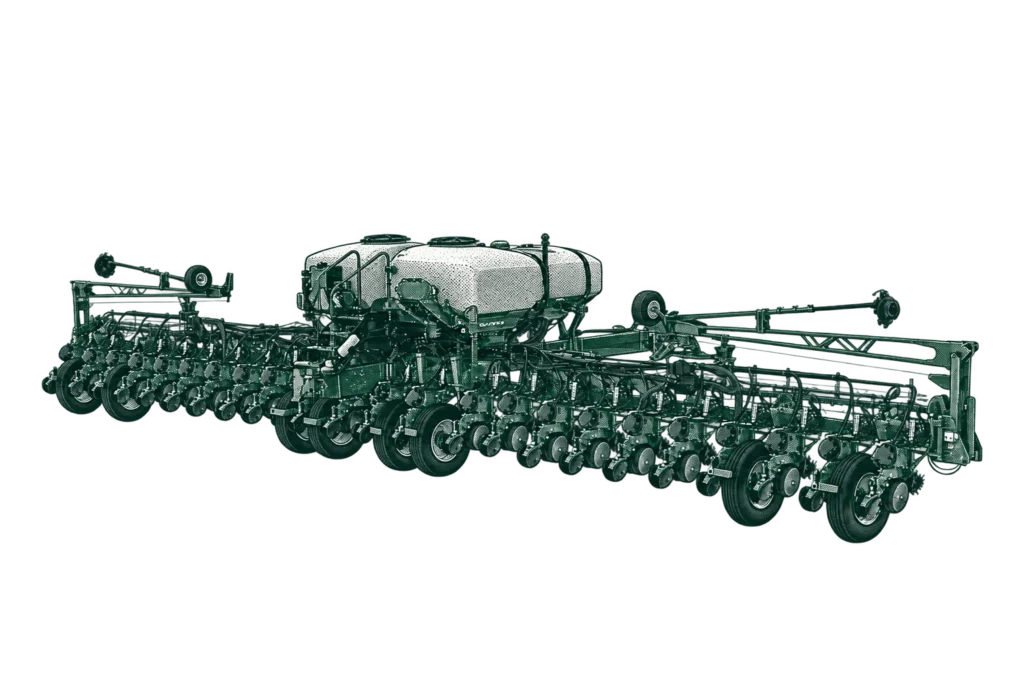
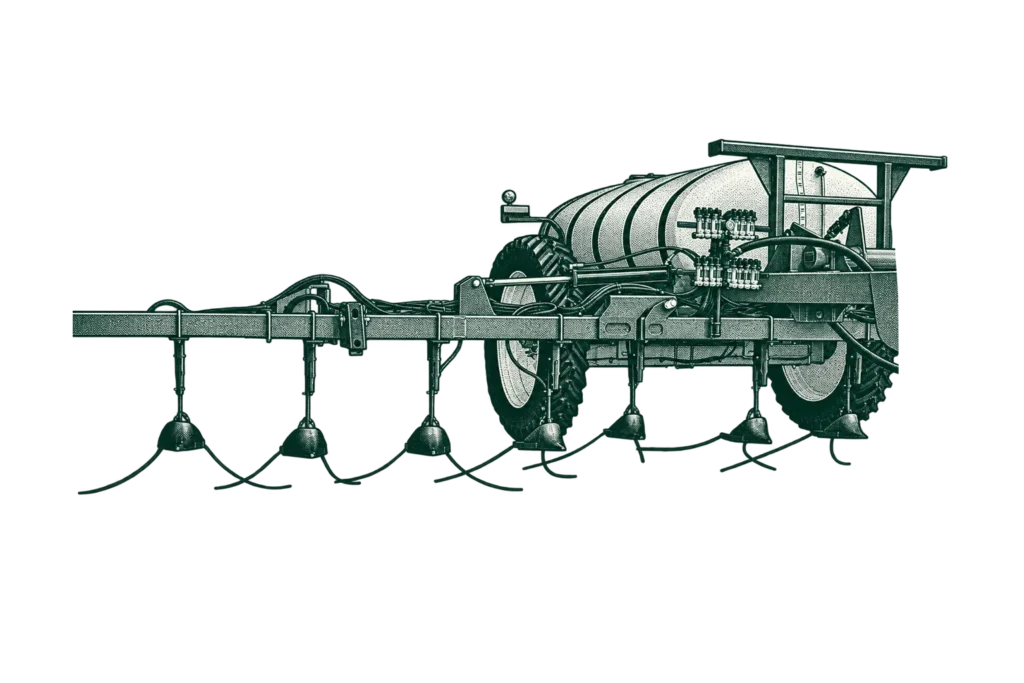
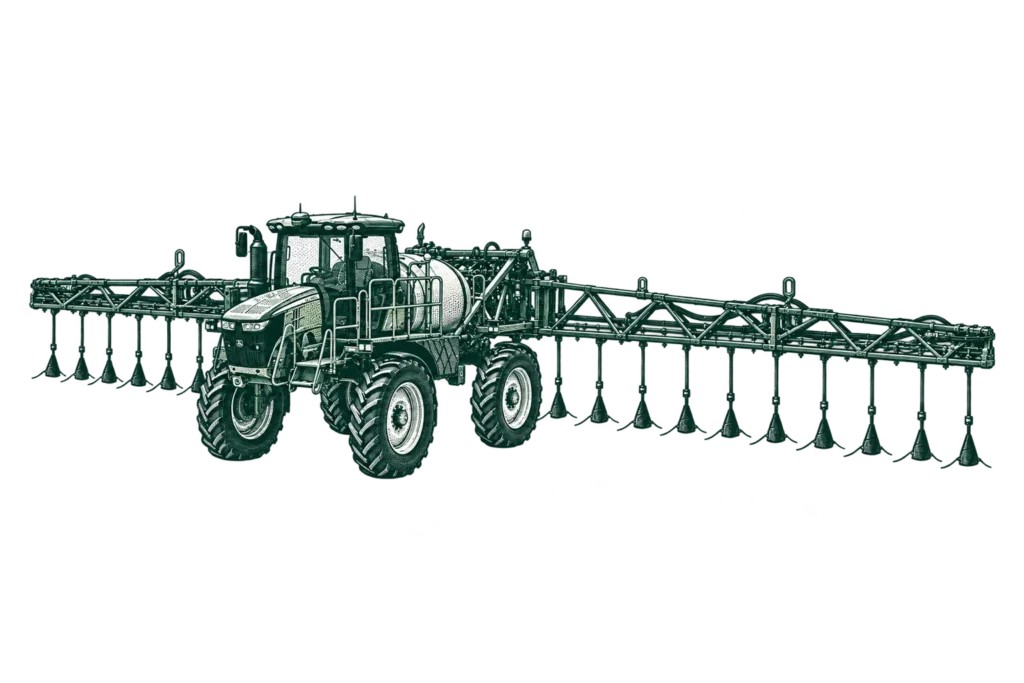
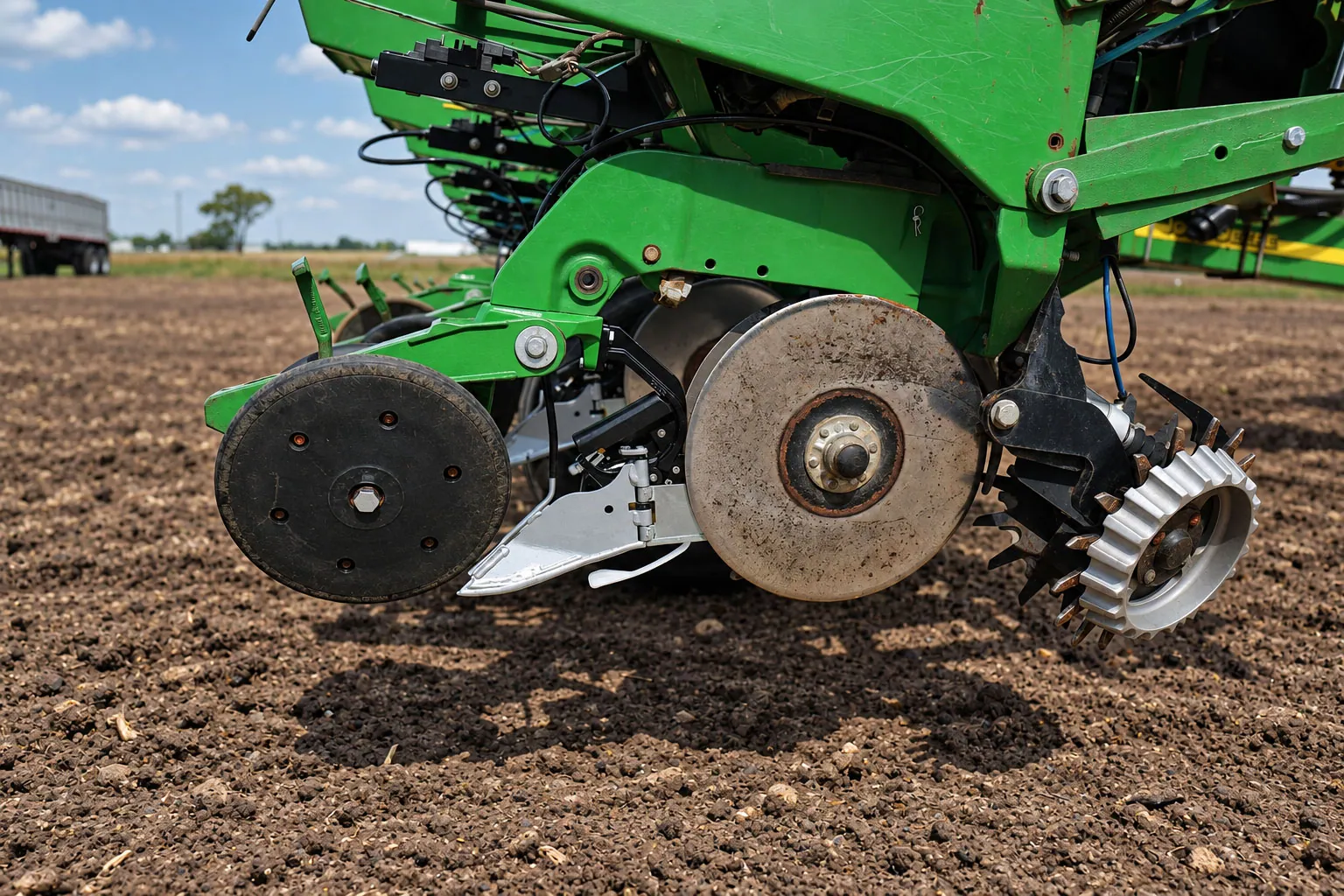
After seeing encouraging results in 2021, Iowa grower Nate Hansen tested 360 WAVE again in 2022. The second-year trial focused on trench-closing performance by removing liquid starter from the comparison.
A large, practical field comparison
The first year included data from more than 1,500 acres. In year two, Hansen compared rows equipped with 360 WAVE against rows using his standard closing system across multiple hybrids and planting dates.
Yield result: The report showed an average 8-bushel advantage with 360 WAVE in 2021. In 2022, individual comparisons ranged from 4 to 10 additional bushels per acre, with a reported average advantage of 6 bushels.
Reported 360 WAVE yield advantage
The important detail is that starter placement was removed as a variable in the second year. That allowed the trial to focus more directly on how the closing system affected emergence, ear count and yield.
Why repeat testing matters
One season can be influenced by a specific weather pattern or field condition. Repeating a comparison provides a better view of whether a response remains consistent. In this case, the direction of the yield response remained positive in both seasons, although the size varied by hybrid and field condition.
Every planter and soil situation is different. Use these results as a starting point for evaluating closing performance and consider running replicated checks on your own acres.