
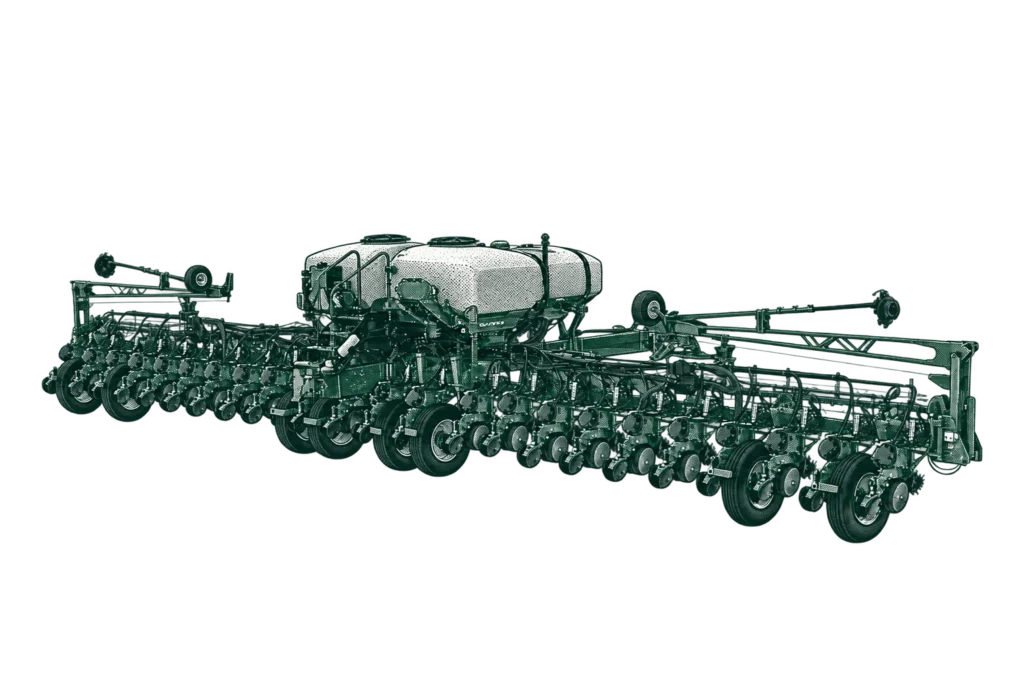
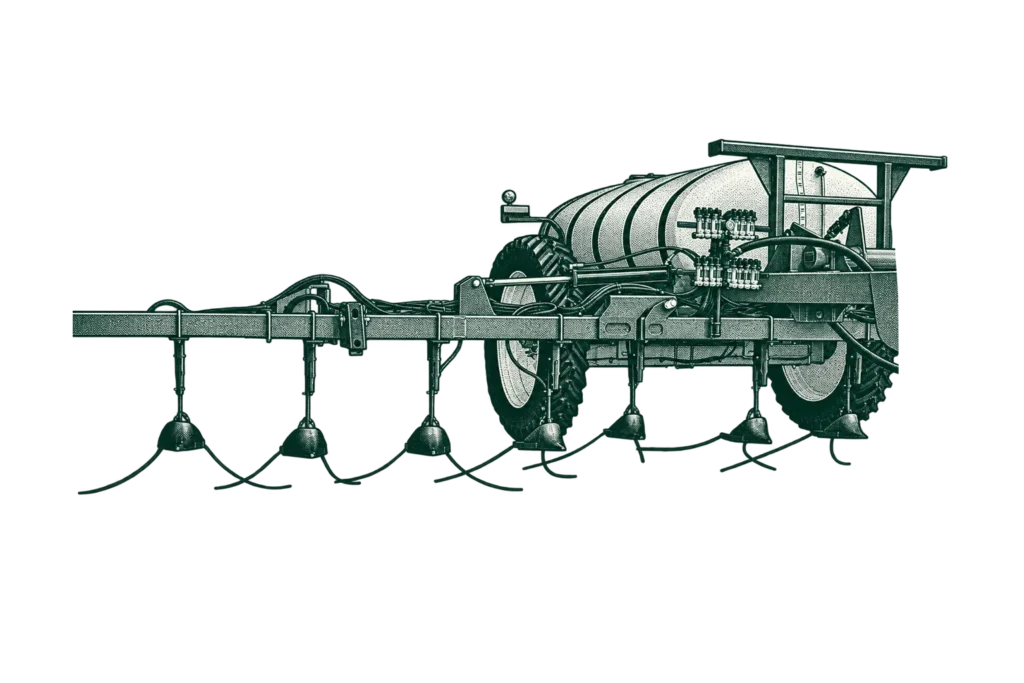
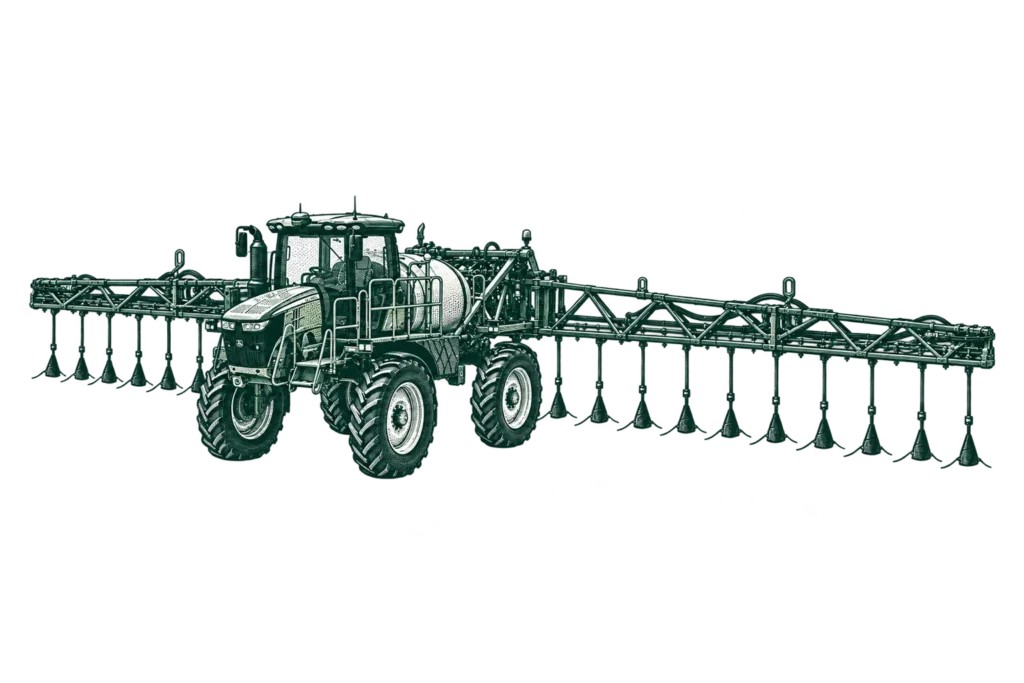
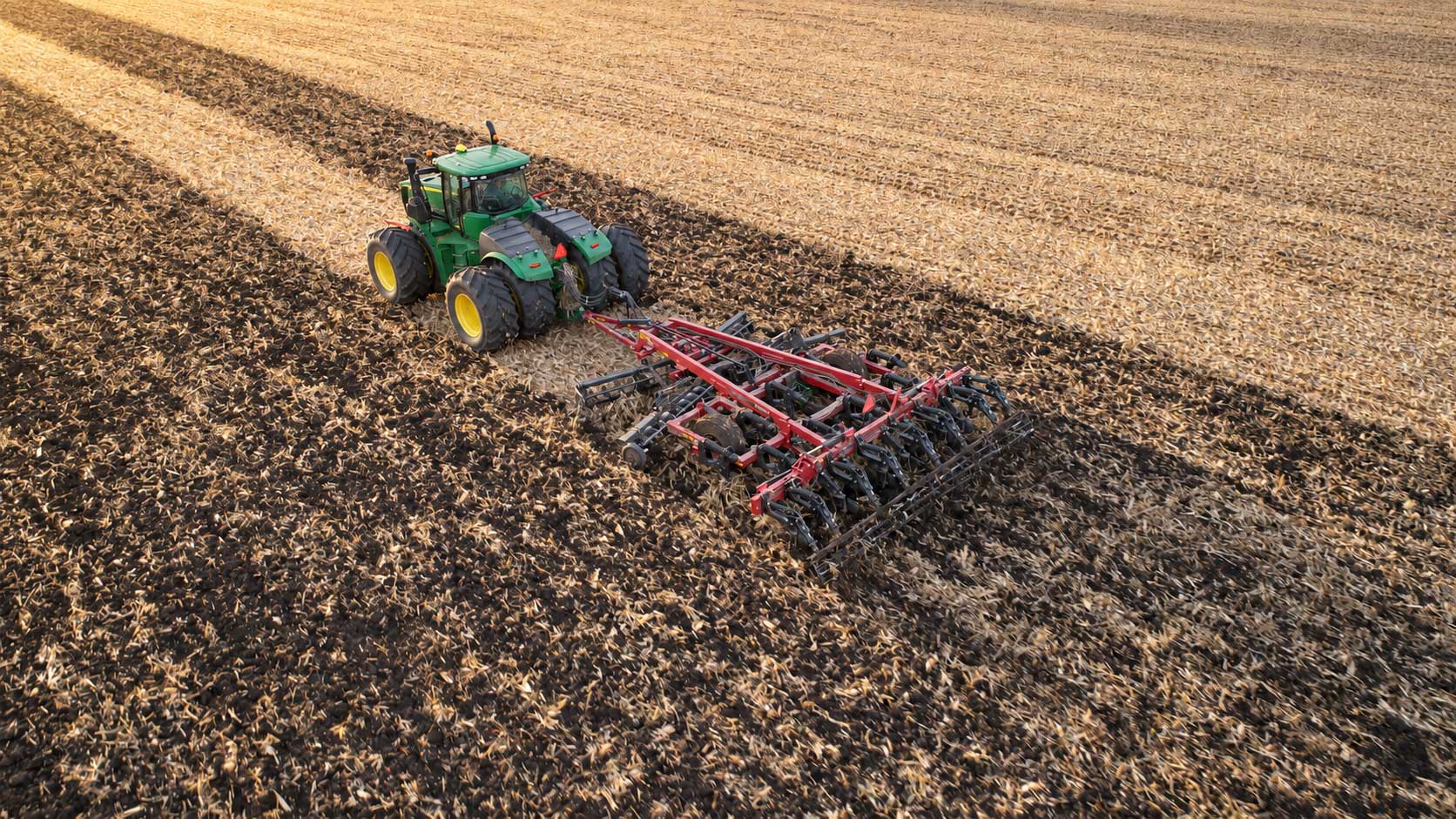
Tillage results can change significantly from one season to the next. A three-year Beck’s Practical Farm Research study in Ohio compared 360 BULLET with a Case IH 7-inch tiger point to evaluate fall tillage before corn.
A result that shows yearly variability
The trial was conducted on tight clay soils. Annual yield responses moved in both directions, making the multi-year average more useful than any single season.
Yield result: 360 BULLET posted advantages of 6.9 bushels per acre in 2017 and 13.0 in 2018. It trailed the OEM point by 2.2 bushels in 2019, resulting in a positive three-year average of 5.9 bushels per acre.
360 BULLET yield advantage by year
The 2019 treatment yielded 141.4 bushels per acre, compared with 143.6 for the OEM point. Including that negative year is important: field tools do not produce identical outcomes in every season.
Why multi-year results matter
Deep-tillage response depends on compaction, soil moisture, operating depth, residue and the following season’s weather. A positive multi-year average can provide a more balanced view than a single plot, while still not guaranteeing a response on another farm.
The study’s stated purpose was to evaluate the effect of the point design on fall tillage and subsequent corn yield. Farmers should first confirm that a restrictive soil layer exists and set the implement to address that layer without unnecessary disturbance.